

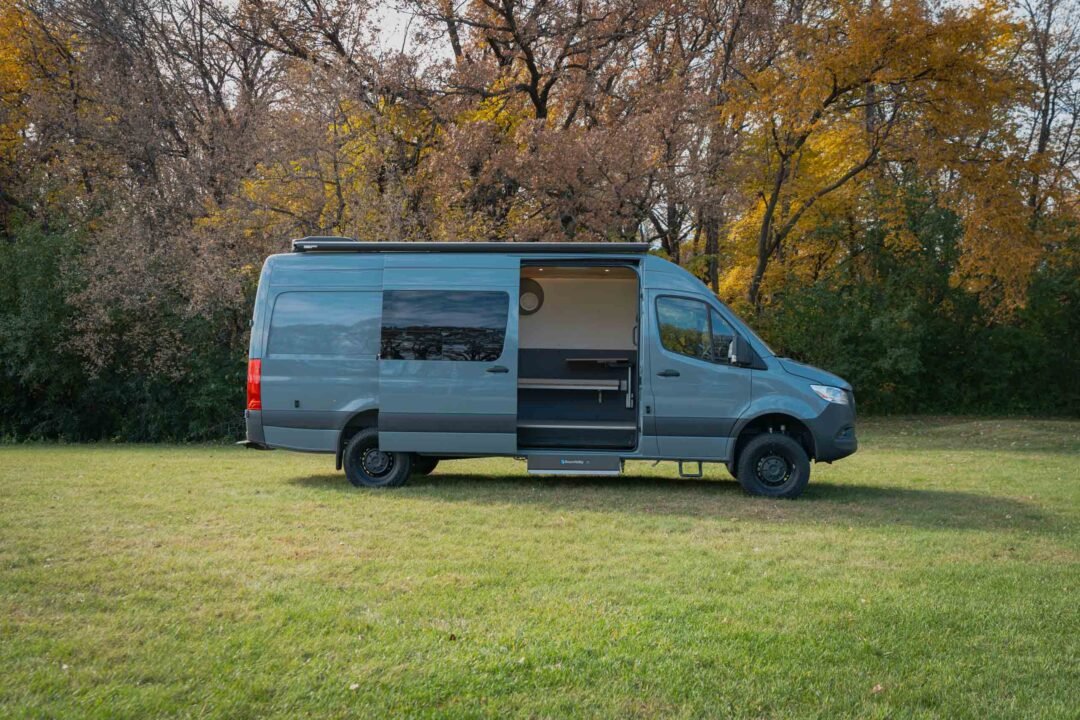
Healthcare is evolving to meet the needs of patients wherever they are. From rural communities with limited medical facilities to urban neighborhoods requiring specialized outreach programs, organizations are looking for innovative ways to deliver quality care beyond traditional clinics. Mobile healthcare has become a practical solution that bridges accessibility gaps while maintaining high standards of patient care.
Custom Mobile Medical Units are playing a major role in this transformation by providing healthcare providers with flexible, fully equipped environments that can travel directly to the people who need them most. Designed for preventive care, diagnostics, specialty services, wellness initiatives, and emergency response, these mobile facilities allow medical teams to deliver comprehensive care without the limitations of a permanent building.
As healthcare systems continue to prioritize patient accessibility, cost efficiency, and community engagement, mobile medical units have become valuable assets for hospitals, government agencies, nonprofit organizations, educational institutions, and private healthcare providers. Their ability to adapt to changing healthcare demands makes them an important part of the future of medical outreach.
Why Mobile Healthcare Is Becoming Essential
Communities across the world continue to face barriers to healthcare access. Distance, transportation challenges, physician shortages, and limited healthcare infrastructure often prevent individuals from receiving timely medical attention.
Mobile healthcare helps solve these problems by bringing professional medical services directly to patients instead of requiring patients to travel long distances.
Healthcare organizations are increasingly investing in mobile solutions because they can:
- Expand service coverage
- Improve preventive healthcare participation
- Reduce unnecessary emergency room visits
- Reach underserved populations
- Increase patient engagement
- Support public health initiatives
- Respond quickly during emergencies
These advantages make mobile healthcare one of the fastest-growing segments within modern healthcare delivery.
What Makes Custom Mobile Medical Units Different?
Unlike standard commercial vehicles, custom-built mobile medical units are specifically engineered for healthcare operations.
Every aspect of the vehicle is designed around clinical workflows, patient comfort, regulatory compliance, and equipment integration.
Depending on operational needs, these units may include:
Examination Rooms
Private exam rooms allow physicians and healthcare professionals to conduct consultations, physical examinations, and follow-up appointments in a professional setting.
Diagnostic Equipment
Many units accommodate imaging systems, laboratory equipment, ultrasound devices, cardiac monitoring systems, and other diagnostic technologies required for patient evaluation.
Infection Control Features
Modern mobile clinics incorporate medical-grade materials, sanitation stations, antimicrobial surfaces, proper ventilation, and efficient waste management systems to maintain high hygiene standards.
Accessibility Features
ADA-compliant entrances, wheelchair lifts, spacious interiors, and accessible layouts ensure services remain available to individuals with mobility challenges.
Digital Healthcare Integration
Telemedicine platforms, secure electronic medical record systems, wireless connectivity, and digital patient registration streamline healthcare delivery while supporting continuity of care.
Applications Across Multiple Healthcare Services
One of the greatest strengths of mobile medical units is their versatility.
They can be customized to support numerous healthcare specialties while maintaining operational efficiency.
Primary Care Services
Routine checkups, chronic disease management, vaccinations, physical examinations, and preventive screenings can all be delivered directly within communities.
Women’s Health Programs
Mobile units often provide mammography, cervical cancer screenings, prenatal consultations, and reproductive healthcare services that increase early detection opportunities.
Dental Care
Fully equipped mobile dental clinics help improve oral health by offering examinations, cleanings, restorative procedures, and preventive education.
Behavioral Health Services
Confidential counseling spaces make it easier for patients to receive mental health support in comfortable, community-based settings.
Occupational Health
Employers frequently utilize mobile healthcare for employee wellness programs, drug testing, hearing evaluations, respiratory testing, and annual physical examinations.
Community Wellness Programs
Health fairs, vaccination campaigns, nutrition counseling, blood pressure screenings, and diabetes education become more accessible through mobile outreach initiatives.
Improving Rural Healthcare Access
Many rural communities experience ongoing shortages of healthcare facilities and specialists.
Traveling several hours for routine appointments often leads patients to postpone treatment until medical conditions worsen.
Mobile healthcare reduces these barriers by bringing professional services directly into rural communities on scheduled visits.
Benefits include:
- Earlier diagnosis
- Better disease prevention
- Improved chronic disease management
- Increased vaccination rates
- Better maternal healthcare
- Reduced transportation burdens
These improvements contribute to healthier populations while reducing long-term healthcare costs.
Supporting Public Health During Emergencies
Healthcare demands can change rapidly during disasters, disease outbreaks, or humanitarian crises.
Mobile medical units provide flexible infrastructure that can be deployed quickly to areas requiring immediate healthcare support.
Common emergency applications include:
- Vaccination campaigns
- Temporary treatment centers
- Disaster relief operations
- Infectious disease testing
- Medical triage
- Emergency response coordination
Because these units operate independently, they continue providing care even when traditional healthcare facilities become overwhelmed.
The Importance of Professional Engineering
Building a reliable mobile healthcare vehicle involves much more than converting a commercial truck or bus.
Successful projects require expertise in:
- Medical equipment integration
- Electrical systems
- HVAC engineering
- Infection prevention
- Structural design
- Healthcare regulations
- Workflow optimization
- Safety compliance
Every component must function together to create an efficient clinical environment capable of supporting healthcare professionals throughout daily operations.
Organizations exploring advanced healthcare vehicle solutions can learn more about professionally engineered Custom Mobile Medical Units by visiting Vanna Mobile Medical , where customized designs support a wide range of healthcare outreach programs.
Technology Is Shaping the Next Generation of Mobile Clinics
Healthcare technology continues advancing rapidly, making today’s mobile units more capable than ever before.
Innovations include:
Telehealth Integration
Remote specialists can consult with patients through secure video platforms while local healthcare professionals perform examinations.
Electronic Medical Records
Cloud-based patient records improve care coordination across multiple healthcare providers.
Smart Diagnostic Equipment
Modern diagnostic systems provide faster, more accurate results while reducing appointment times.
Renewable Energy Solutions
Solar power systems and energy-efficient equipment help improve operational sustainability during extended deployments.
Connected Healthcare
Wireless monitoring devices and secure communication platforms enhance patient follow-up and long-term care management.
Practical Considerations Before Investing
Healthcare organizations planning to launch mobile services should carefully evaluate operational goals before selecting a unit.
Important considerations include:
Define Clinical Objectives
Determine which services will be offered and how frequently the vehicle will operate.
Understand Patient Volume
Expected patient numbers influence vehicle size, staffing requirements, and equipment selection.
Consider Future Expansion
Flexible layouts allow organizations to add services as community needs evolve.
Prioritize Compliance
Ensure the design meets healthcare regulations, accessibility standards, and local operational requirements.
Plan Maintenance
Routine servicing helps maximize vehicle reliability and long-term performance.
Proper planning ensures that the investment continues delivering value for many years.
Long-Term Benefits for Healthcare Organizations
Organizations that adopt mobile healthcare often experience measurable operational improvements.
These include:
- Expanded patient reach
- Better community engagement
- Increased preventive care participation
- Lower infrastructure costs
- Improved public health outcomes
- Enhanced organizational visibility
- Greater flexibility during healthcare emergencies
Rather than replacing traditional facilities, mobile units complement existing healthcare networks and strengthen overall service delivery.
Frequently Asked Questions
What are Custom Mobile Medical Units?
They are professionally designed healthcare vehicles equipped to provide medical services outside traditional hospitals or clinics while supporting a wide variety of healthcare specialties.
Who uses mobile medical units?
Hospitals, healthcare systems, nonprofit organizations, government agencies, educational institutions, military organizations, occupational health providers, and community health programs commonly use them.
What services can be provided inside a mobile medical unit?
Primary care, diagnostics, dental care, women’s health, behavioral health, vaccinations, wellness screenings, laboratory services, occupational health, and preventive healthcare are among the many services these units can support.
Are mobile medical units suitable for rural communities?
Yes. They significantly improve healthcare accessibility by bringing medical professionals directly to underserved populations where permanent healthcare facilities may be unavailable.
Why are custom-built units better than standard vehicle conversions?
Custom-built units are engineered specifically for clinical operations, medical equipment integration, patient safety, regulatory compliance, and efficient healthcare workflows, resulting in better long-term performance.
Conclusion
Healthcare is becoming more patient-centered, accessible, and adaptable than ever before. Mobile healthcare solutions allow providers to reach underserved communities, respond to emergencies, expand preventive care programs, and improve overall healthcare delivery without being limited by permanent infrastructure.
As demand for flexible healthcare continues to grow, custom-designed mobile medical units will remain an essential part of modern medical outreach. Organizations that invest in thoughtfully engineered mobile healthcare solutions position themselves to deliver higher-quality care, strengthen community relationships, and respond effectively to changing healthcare needs for years to come.
