

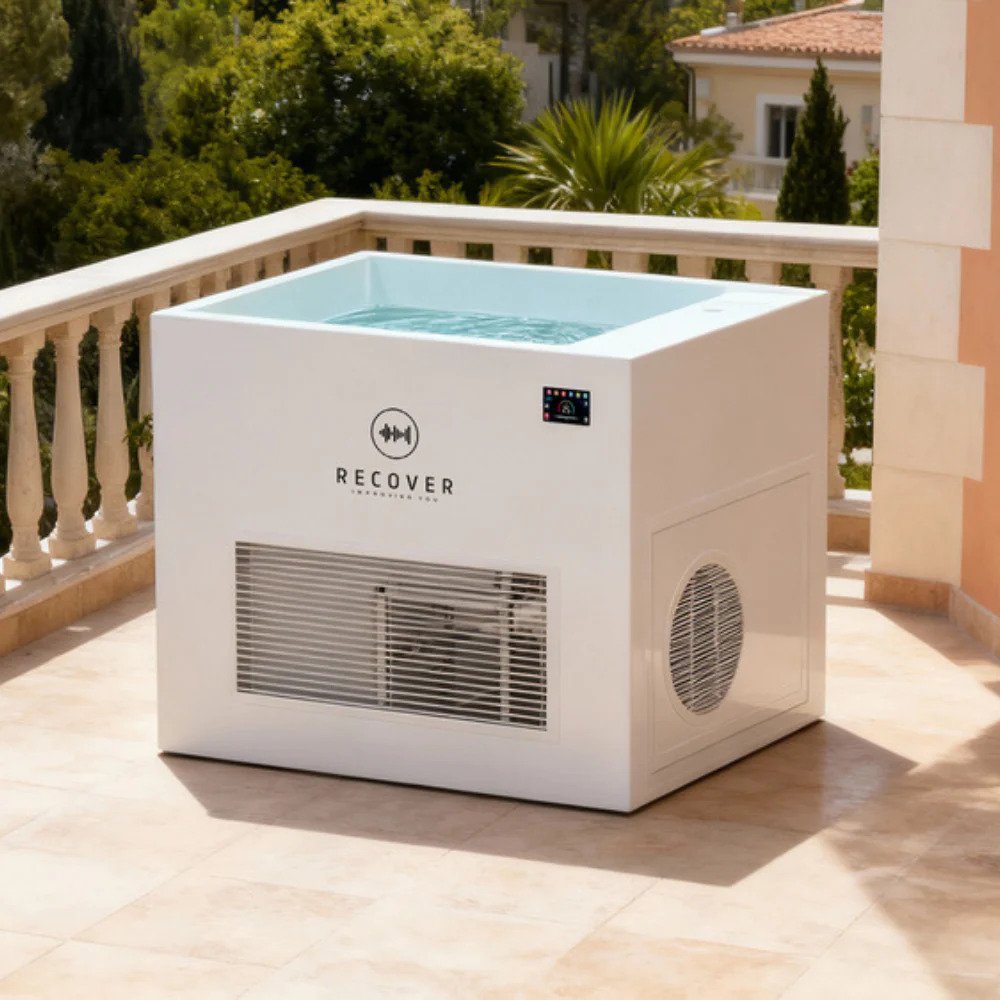
What Is a Cold Plunge Tub?
A cold plunge tub is a purpose-built vessel that holds water between 38°F and 59°F (3°C–15°C), designed for deliberate cold water immersion (CWI). Unlike a cold shower, full-body immersion triggers a systemic physiological response — activating the nervous system, circulatory system, and immune response simultaneously.
Used by elite athletes, biohackers, physical therapists, and wellness practitioners worldwide, cold plunge therapy has moved from locker rooms to living rooms. And the science backing it is stronger than ever.
7 Recovery Benefits of Cold Plunge Tubs — Backed by Science
1. Faster Muscle Recovery
Cold water immersion reduces delayed onset muscle soreness (DOMS) by constricting blood vessels and decreasing metabolic activity in muscle tissue. A 2022 meta-analysis in the British Journal of Sports Medicine confirmed that CWI significantly reduced muscle soreness 24–96 hours post-exercise compared to passive recovery.
Best protocol: 10–15 minutes at 50–59°F (10–15°C) within 30 minutes of intense training.
2. Reduced Inflammation
Cold exposure lowers pro-inflammatory cytokines, including IL-6 and TNF-α. This makes cold plunging particularly effective for people with chronic low-grade inflammation — a driver behind conditions like joint pain, fatigue, and metabolic dysfunction.
Research published in PLOS ONE found measurable reductions in inflammatory markers after just four weeks of consistent cold water immersion.
3. Improved Mental Health and Mood
Cold plunging triggers a significant norepinephrine release — up to 300% above baseline, according to research by Dr. Andrew Huberman and studies from the University of Virginia. Norepinephrine improves focus, reduces anxiety, and elevates mood for hours after a single session.
Additionally, cold exposure activates the vagus nerve, which plays a central role in regulating the stress response and promoting a state of calm.
4. Enhanced Lymphatic Drainage
Unlike the cardiovascular system, the lymphatic system has no pump. It relies on muscle movement and temperature changes to move fluid. Cold immersion causes rapid lymphatic vessel contraction, pushing immune cells and waste products through the body more efficiently.
This contributes to reduced puffiness, faster toxin clearance, and stronger immune function over time.
5. Boosted Metabolism and Fat Loss
Cold exposure activates brown adipose tissue (BAT), a type of metabolically active fat that burns calories to generate heat. A landmark study in the New England Journal of Medicine confirmed that adults possess significant amounts of brown fat that can be activated through cold exposure.
Regular cold plunging may increase basal metabolic rate modestly — useful as a complementary tool in a fat loss or metabolic health protocol.
6. Better Sleep Quality
Cold plunging in the afternoon or early evening supports the natural drop in core body temperature that signals the brain to release melatonin. Studies in Sleep Medicine Reviews found that pre-sleep body cooling improved both sleep onset speed and slow-wave (deep) sleep duration.
This makes the cold plunge tub one of the few wellness tools that benefits both performance and recovery simultaneously.
7. Strengthened Mental Resilience
Deliberately entering cold water builds stress tolerance through repeated hormetic exposure. Research shows that individuals who practice regular cold immersion develop improved autonomic nervous system regulation — meaning they handle everyday stress more effectively.
This is not metaphorical. The prefrontal cortex literally becomes more active relative to the amygdala over time, improving emotional regulation and reducing reactivity.
Types of Cold Plunge Tubs
Choosing the right type depends on your space, budget, and how seriously you plan to use it.
1. Portable Inflatable Tubs Entry-level option. Affordable, easy to set up anywhere. Best for beginners testing cold immersion. Insulation is minimal, so maintaining cold temperatures requires regular ice.
2. Freestanding Acrylic or Fiberglass Tubs Mid-tier option. Solid construction, better insulation, aesthetically cleaner. Suitable for dedicated home wellness spaces or garages.
3. Stainless Steel Cold Plunge Tubs Premium and highly durable. Easy to sanitize. Common in professional gyms, wellness centers, and serious home setups. Paired with a chiller unit for precise temperature control.
4. Stock Tanks (DIY) A popular budget-friendly option. Large galvanized or plastic livestock tanks paired with a chiller or ice. Functional but lacks aesthetics and dedicated filtration.
5. Integrated Cold Plunge Systems High-end systems with built-in chillers, filtration, UV sterilization, and digital temperature controls. Brands like Plunge, Inergize, and Ice Barrel lead this category.
Cold Plunge Tub Cost Breakdown
| Type | Price Range |
| Inflatable / portable | $100 – $500 |
| Stock tank (DIY) | $200 – $800 |
| Freestanding fiberglass | $1,500 – $4,000 |
| Stainless steel tub | $3,000 – $7,000 |
| Integrated system (with chiller) | $4,500 – $15,000+ |
Ongoing costs to factor in:
- Electricity for chiller units: $30–$80/month depending on usage and climate
- Water treatment chemicals or UV maintenance: $10–$30/month
- Filter replacements: $50–$150/year
Installation Guide: What You Need to Know
Cold plunge tub installation ranges from plug-and-play simple to contractor-level complex depending on the system.
Portable and inflatable tubs: No installation needed. Fill with water, add ice, and use within minutes. Drain after each session or use a small pump.
Freestanding tubs with chillers: Require a dedicated 120V or 240V electrical outlet near the unit. Most homeowners can install these in a garage, bathroom addition, or covered patio without structural changes.
Built-in or recessed installations: Need a licensed plumber for drain connection and an electrician for dedicated circuits. If outdoors, weatherproofing and GFCI-protected outlets are mandatory. Budget $500–$2,500 for professional installation depending on complexity.
Key installation considerations:
- Floor load capacity (water is heavy — a full tub can weigh 800–1,500 lbs)
- Drainage access
- Ventilation if indoors (prevents condensation and mold)
- Privacy and accessibility
Cold Plunge Tub Buying Guide
Before purchasing, answer these five questions:
1. How often will you use it? Daily users need a chiller-equipped system. Occasional users can manage with ice or a stock tank.
2. Indoor or outdoor? Outdoor units need UV-resistant materials and weatherproof covers. Indoor units require drainage planning and ventilation.
3. Solo or multiple users? Standard tubs fit one person. If multiple people will use it, capacity and filtration become more important.
4. What’s your realistic budget? Include installation, electricity, and maintenance in your total cost calculation — not just the purchase price.
5. What features matter most?
- Chiller for precise, consistent temperature
- Filtration system to avoid draining after every use
- UV or ozone sterilization for hygiene
- Cover or lid to maintain temperature and prevent debris
Top brands to research in 2026: Plunge, Ice Barrel, Brass Monkey, Inergize Health, The Cold Plunge, and Blue Cube.
Frequently Asked Questions
How long should you stay in a cold plunge tub?
Start with 2–3 minutes and build toward 10–15 minutes as your cold tolerance improves.
What temperature should a cold plunge tub be?
The therapeutic sweet spot is 50–59°F (10–15°C). Below 50°F is advanced territory.
Is cold plunging safe for everyone?
Not for people with cardiovascular conditions, Raynaud’s disease, or cold urticaria. Always consult a physician if you have pre-existing conditions.
How often should you cold plunge?
Three to five sessions per week is sufficient for most people. Daily use is safe for adapted individuals.
Do cold plunge tubs need chemicals?
Yes. Bromine or low-chlorine solutions, combined with filtration, keep the water sanitary for repeated use.
Can cold plunging help with anxiety?
Yes. Cold exposure activates the vagus nerve and increases norepinephrine, both of which reduce anxiety symptoms.
How much electricity does a cold plunge chiller use?
Typically 500W–1,500W depending on the unit size and ambient temperature — similar to running a small air conditioner.
Conclusion
A cold plunge tub is no longer a luxury reserved for professional sports teams or extreme biohackers. With accessible options at every price point and a robust body of scientific evidence behind it, cold water immersion is one of the most effective, chemical-free recovery tools available in 2026.
The seven benefits covered here — from muscle recovery and inflammation reduction to mental resilience and better sleep — are not anecdotal. They are grounded in peer-reviewed research and reproducible across populations.
If you’re serious about recovery, performance, or long-term wellness, a cold plunge tub deserves a place in your routine. Start with your budget, define your use case, and choose a system built to last. The hardest part is getting in — everything after that is science doing its work.
