

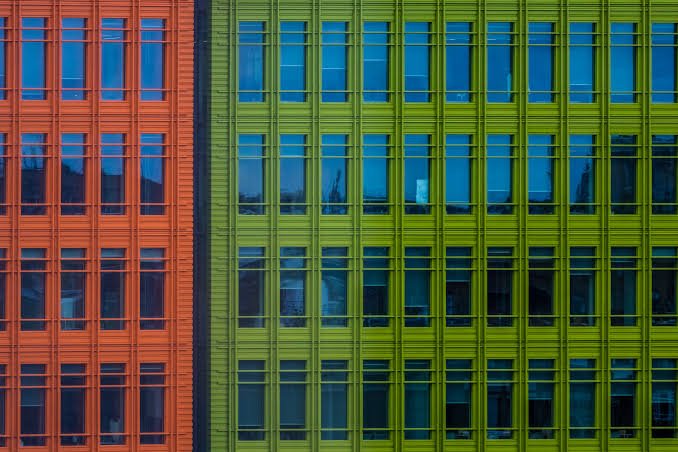
The colors you choose for your commercial building’s exterior do more than just look attractive. They communicate your brand identity, influence customer perceptions, and even affect your building’s energy efficiency. In Summerville’s vibrant business community, selecting the right color scheme is a strategic decision that can set you apart from competitors. Professional commercial exterior painters can guide you through this process, helping you choose colors that are both beautiful and functional for the Lowcountry climate.
Aligning Colors with Your Brand Identity
Your building’s exterior is an extension of your brand. The colors you choose should be consistent with your logo, marketing materials, and overall brand personality. A law firm might opt for classic navy and crisp white to convey trust and professionalism. A children’s boutique might choose bright, playful colors to attract families. A spa or wellness center might select calming greens and blues to promote relaxation. Professional Commercial Exterior Painters in Summerville, SC can help you translate your brand colors into an exterior palette that is both recognizable and visually appealing.
Considering Architectural Style
The architecture of your building should guide your color choices. A historic building in downtown Summerville may look best with period-appropriate colors that respect its heritage. A modern office building might suit a sleek, monochromatic palette with bold accents. A retail strip center could benefit from a cohesive color scheme that unifies multiple storefronts while allowing each tenant some individuality. Your painter can provide examples of color schemes that work well with your building’s architectural features.
The Impact of Summerville’s Natural Light
Summerville’s abundant sunlight affects how colors appear throughout the day. A color that looks vibrant at noon may appear washed out in the softer light of early morning or late afternoon. South-facing walls receive intense direct sunlight, which can cause darker colors to fade faster. North-facing walls are shaded and may make colors appear cooler and darker. Professional painters recommend testing your chosen colors on large sample boards placed on different elevations of your building. Observe them at various times of day before making a final decision.
Using Color to Highlight Architectural Features
A well-planned color scheme can draw attention to your building’s best features and downplay less attractive elements. Use lighter colors to make a building appear larger and more inviting. Use darker colors on recessed areas to create depth. Paint trim, doors, and shutters in a contrasting color to add visual interest. Professional commercial exterior painters understand how to use color to enhance your building’s architecture and improve curb appeal.
Energy Efficiency and Color Choice
In Summerville’s hot, humid climate, the color of your building’s exterior can affect your energy bills. Light-colored paints reflect more sunlight, keeping the building cooler and reducing air conditioning costs. Dark colors absorb heat, which can be beneficial in cooler climates but adds to cooling expenses in the South. If energy efficiency is a priority, choose lighter shades for your main exterior walls. Your painter can recommend specific reflective coatings that further improve energy performance.
Durability and Fade Resistance
Not all paint colors fade at the same rate. Dark, saturated colors—especially reds, blues, and greens—tend to fade faster than lighter, earthier tones. Professional commercial painters use high-quality paints with UV-resistant pigments that maintain their color longer. They can also advise you on which colors in your chosen palette are most fade-resistant, helping you balance aesthetic preferences with long-term durability.
Coordinating with Surroundings
Consider how your building’s colors will look next to neighboring properties. A color scheme that works well in isolation may clash with adjacent buildings. While you want to stand out, you also want to fit harmoniously within the overall streetscape. Your painter can help you choose a palette that is distinctive yet respectful of the surrounding community.
Testing Before Committing
Never rely on small paint chips or online photos alone. Paint large (at least two-foot by two-foot) sample areas on your building’s exterior. Live with the samples for several days, observing them in morning, afternoon, and evening light. See how they look on both sunny and overcast days. Professional commercial exterior painters provide sample boards and help you evaluate how each color performs in your specific location.
The Role of Trim and Accent Colors
The main body color is important, but trim, doors, shutters, and other accents play a crucial role in the overall scheme. A neutral body color can be enlivened with a bold front door. White trim on a dark body creates crisp, clean lines. Accent colors should be used sparingly—typically no more than three colors on a single building (body, trim, accent). Your painter can help you develop a balanced, professional palette.
Working with a Professional Color Consultant
Many commercial exterior painting contractors offer color consultation services as part of their comprehensive offering. They have seen thousands of color combinations and understand what works in different settings. Their expertise saves you time, reduces stress, and leads to a professionally designed look that supports your business goals. Professional Commercial Exterior Painters in Summerville, SC can guide you from color selection through final application, ensuring a beautiful, durable finish that enhances your property for years to come.
