

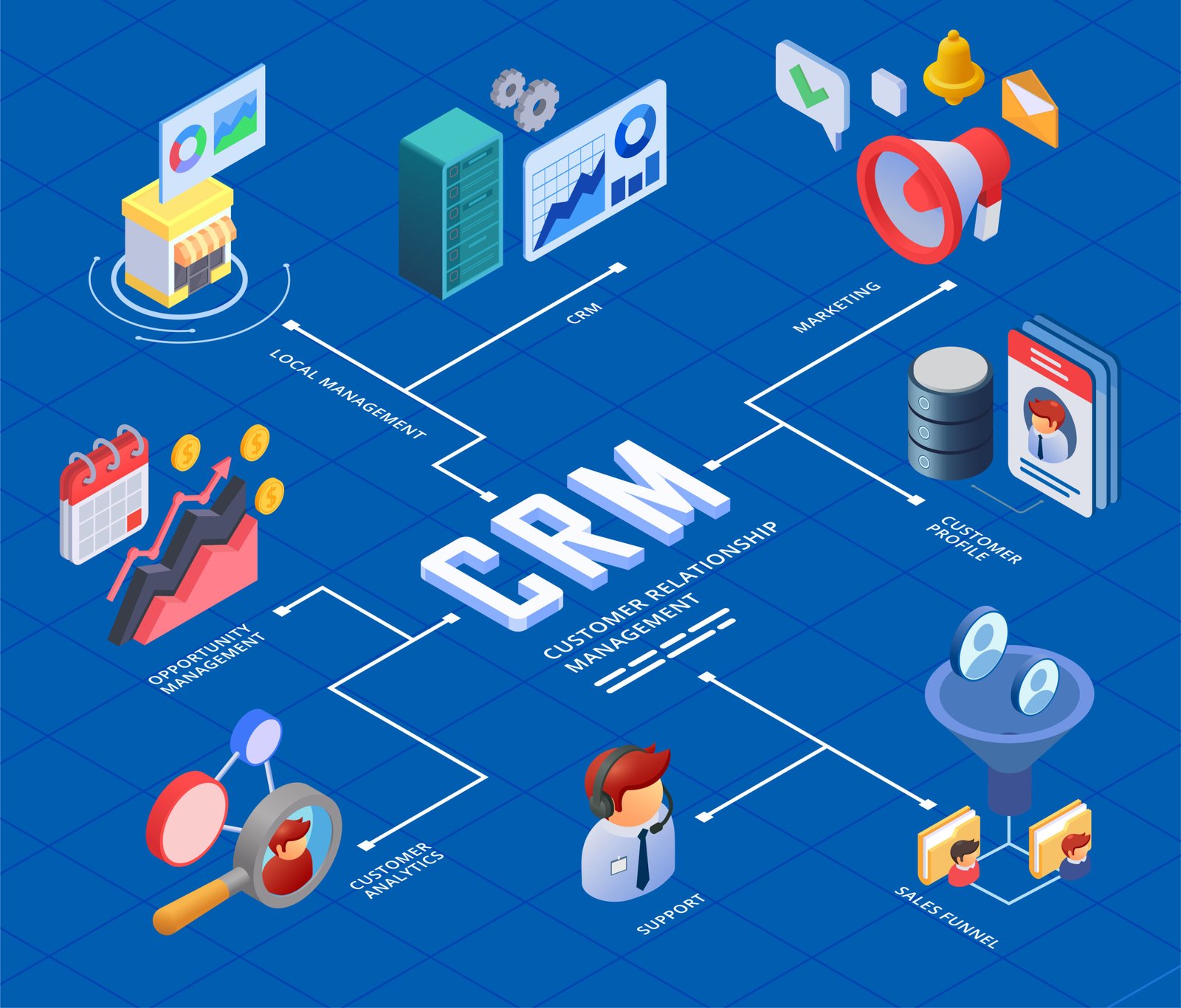
Running a small business comes with multiple responsibilities. Business owners need to handle customers, manage leads, track sales, coordinate with teams, monitor follow-ups, and ensure smooth communication. Managing all these activities manually can become difficult and time-consuming. As a business grows, scattered spreadsheets, missed customer details, and delayed follow-ups often create challenges.
This is where CRM for small business becomes essential. CRM, or Customer Relationship Management software, helps businesses organize their customer interactions and streamline operations. It allows companies to improve customer relationships, manage data effectively, and increase sales opportunities.
Modern businesses are no longer dependent on manual systems. Companies now need smart solutions that help them grow faster while reducing operational difficulties. WHSuites provides advanced CRM solutions for businesses to handle issues efficiently and support sustainable growth.
What is CRM for Small Business?
CRM for small business is a software solution designed to manage and organize customer data, sales activities, communication records, and business operations from one centralized platform.
The purpose of CRM software is to simplify everyday business tasks and help companies maintain stronger relationships with customers. Instead of using separate systems for customer details, sales records, and follow-up tasks, CRM combines everything into one place.
Small businesses often struggle because they have limited resources and smaller teams. A CRM system reduces manual effort and allows teams to work more efficiently.
Why Small Businesses Need CRM Software
Many business owners believe CRM software is only suitable for large enterprises. However, small businesses can benefit significantly from CRM systems because they need organized processes to compete in today’s market.
Some common problems faced by small businesses include:
Difficulty Managing Customer Information
Customer details are often stored across spreadsheets, emails, and notebooks. Finding specific information quickly becomes challenging.
Missed Sales Opportunities
Without proper follow-up tracking, businesses may lose potential customers. Delayed responses can negatively impact conversion rates.
Poor Team Coordination
Different departments may struggle to share customer updates effectively, creating communication gaps.
Manual Processes Consume Time
Employees spend significant time on repetitive tasks such as sending follow-up emails, updating customer information, and maintaining reports.
CRM software solves these problems by automating processes and organizing business data.
Major Benefits of CRM for Small Business
Improved Customer Relationship Management
Customers expect businesses to understand their requirements and provide quick responses. CRM software stores customer interaction history, making personalized communication easier.
Businesses can understand customer preferences, purchase behavior, and previous conversations to deliver better experiences.
Better Lead Management
Lead management is important for business growth. CRM software helps businesses capture leads, assign them to team members, track progress, and convert opportunities into customers.
This organized process prevents leads from being overlooked.
Increased Productivity
Automation reduces repetitive tasks and saves time for employees. Teams can focus on important activities like customer engagement and sales generation.
Tasks such as reminders, email notifications, and workflow assignments can be automated.
Data-Driven Decisions
CRM systems provide valuable reports and insights that help businesses understand performance trends.
Business owners can analyze:
- Sales performance
- Customer behavior
- Team productivity
- Lead conversion rates
- Revenue growth
These insights help companies make informed business decisions.
Enhanced Customer Retention
Keeping existing customers is often more cost-effective than acquiring new ones. CRM software helps maintain regular communication and improves customer satisfaction.
Satisfied customers are more likely to become repeat buyers and recommend businesses to others.
Key Features Every Small Business CRM Should Include
When selecting CRM software, businesses should consider important features that support growth and operational efficiency.
Contact Management
CRM should provide centralized customer data management, including names, contact information, interaction history, and business details.
Lead Tracking
Businesses should be able to monitor every lead from initial inquiry to final conversion.
Task Management
Task assignment and reminders help teams stay organized and improve accountability.
Sales Pipeline Management
Visual sales pipelines help businesses track opportunities and understand where prospects stand in the sales process.
Reporting and Analytics
Reports provide insights into business performance and help identify growth opportunities.
Workflow Automation
Automation minimizes repetitive tasks and improves efficiency across departments.
How WHSuites Helps Small Businesses Grow Faster
WHSuites offers comprehensive CRM solutions designed to support businesses of different sizes and industries. We provide CRM solutions for your business to handle operational issues and create opportunities for faster growth.
Our CRM platform helps businesses simplify customer management while improving productivity and sales performance.
WHSuites focuses on delivering solutions that allow businesses to:
- Manage customer interactions from a single dashboard
- Track leads effectively
- Automate repetitive workflows
- Improve team collaboration
- Monitor sales pipelines
- Generate real-time reports
- Increase customer satisfaction
By implementing WHSuites CRM solutions, businesses can eliminate confusion and establish organized workflows.
How CRM Supports Business Growth
Growth requires more than simply increasing customers. Businesses need systems capable of handling higher workloads and customer demands.
CRM software creates a structured environment that supports expansion.
For example, imagine a small business receiving dozens of inquiries every day. Without CRM, managing follow-ups manually becomes difficult.
With CRM software:
- Customer inquiries are automatically recorded
- Leads are assigned instantly
- Follow-up reminders are generated
- Sales progress is tracked
- Customer history remains accessible
This process improves efficiency and increases conversion opportunities.
As the business expands, CRM systems continue supporting operations without requiring major process changes.
Choosing the Right CRM for Small Business
Selecting the right CRM depends on business goals and operational requirements.
Businesses should evaluate:
- Ease of use
- Scalability
- Customization options
- Automation capabilities
- Reporting features
- Customer support
- Integration options
The ideal CRM should not create complexity; it should simplify work and improve overall performance.
WHSuites understands these business needs and provides customized CRM solutions that support long-term growth objectives.
Conclusion
Small businesses operate in highly competitive environments where efficiency and customer satisfaction directly influence success. Managing customer relationships manually may work initially, but long-term growth requires structured systems and automation.
CRM for small business helps companies organize customer data, improve communication, automate processes, and increase sales opportunities.
WHSuites provides powerful CRM solutions for your business to handle everyday challenges and create a path toward faster growth. With advanced features, streamlined workflows, and improved customer management capabilities, businesses can focus on what matters most — building stronger relationships and achieving sustainable success.
