

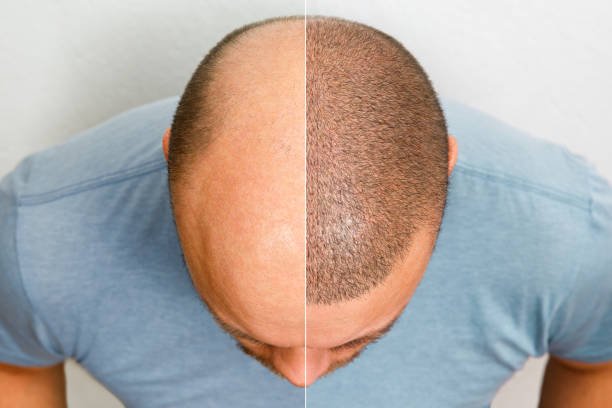
Introduction to Modern Hair Restoration
Hair loss is a common concern that affects both men and women, often impacting confidence, self-image, and overall appearance. In recent years, hair restoration has evolved into a highly advanced medical specialty focused not only on restoring lost hair but also on achieving natural, refined, and aesthetically balanced results. Today, patients seek treatments that go beyond basic coverage and instead deliver a sophisticated enhancement of facial harmony and hairline design. This shift has made Hair Transplant in Riyadh for Sophisticated Hair Refinement one of the most sought-after solutions for individuals looking for premium hair restoration outcomes.
Riyadh has emerged as a leading destination for advanced hair transplant procedures due to its adoption of cutting-edge technology, skilled specialists, and patient-focused care. Modern techniques prioritize precision, density control, and natural growth patterns, ensuring that results are virtually undetectable and aesthetically seamless.
The Evolution of Hair Transplant Techniques
Hair transplantation has undergone a remarkable transformation over the past decade. Earlier methods often resulted in visible plugs, unnatural hairlines, and limited styling flexibility. Today, advancements in surgical precision and technology have completely redefined what is possible in hair restoration.
Modern techniques such as Follicular Unit Extraction (FUE) and Direct Hair Implantation (DHI) allow surgeons to extract individual hair follicles and implant them with extreme accuracy. This minimizes scarring, reduces recovery time, and ensures natural hair growth direction. The focus is no longer just on restoring hair volume but on creating a refined and natural aesthetic that complements the patient’s facial structure.
Sophisticated hair refinement now involves artistic planning, where hairline design, density distribution, and angle of implantation are carefully customized. This ensures that the final outcome blends seamlessly with existing hair, making the restoration virtually unnoticeable.
Why Riyadh is a Leading Destination for Hair Transplants
Riyadh has positioned itself as a hub for advanced cosmetic and medical procedures, including hair restoration. The city’s clinics are equipped with state-of-the-art technology and staffed by highly trained specialists who understand both the medical and aesthetic aspects of hair transplantation.
One of the key reasons patients choose Riyadh is the emphasis on personalized treatment planning. Each individual undergoes a detailed assessment that includes scalp analysis, donor hair evaluation, and facial symmetry review. This allows specialists to design a customized approach that ensures optimal results tailored to the patient’s unique characteristics.
In addition to technical expertise, Riyadh offers a high standard of patient care, privacy, and comfort. This combination of medical excellence and luxury healthcare experience has made the city a preferred destination for individuals seeking refined hair restoration solutions.
The Art of Hairline Design and Aesthetic Balance
A successful hair transplant is not just a medical procedure; it is also an artistic process. One of the most critical aspects of sophisticated hair refinement is hairline design. A natural-looking hairline must reflect age, gender, facial proportions, and ethnic characteristics.
Modern surgeons carefully design hairlines that avoid harsh or overly straight patterns. Instead, they create soft, irregular, and natural contours that mimic real hair growth. This attention to detail ensures that the restored hair blends seamlessly with existing strands and enhances overall facial harmony.
The concept of facial balance is equally important. Hair restoration is not performed in isolation; it is planned in relation to the forehead, temples, and overall facial structure. This integrated approach ensures that the final result looks natural from every angle and enhances the patient’s overall appearance.
Advanced Techniques in Hair Transplantation
Modern hair transplantation relies on highly refined techniques that prioritize precision and minimal invasiveness. FUE remains one of the most widely used methods due to its ability to extract individual follicular units without leaving linear scars. This technique allows for faster healing and greater flexibility in hairstyling after recovery.
DHI, on the other hand, takes precision a step further by using specialized implantation tools that allow direct placement of hair follicles into the scalp. This technique provides greater control over depth, angle, and direction, resulting in highly natural and dense hair growth.
In many advanced clinics, these techniques are combined with micro-grafting strategies to achieve even more refined results. The goal is to replicate natural hair density and growth patterns while ensuring long-term durability and aesthetic appeal.
Importance of Donor Area Management
The success of a hair transplant largely depends on the careful management of the donor area, typically located at the back or sides of the scalp. These areas contain genetically stronger hair that is resistant to hair loss, making them ideal for transplantation.
Modern surgeons prioritize preserving donor area integrity to ensure that hair can be safely harvested without causing visible thinning or unevenness. Strategic extraction patterns are used to maintain a natural appearance even after multiple grafts are removed.
This careful balance between extraction and preservation is essential for achieving sustainable results. Proper donor management ensures that patients retain sufficient hair density in donor regions while achieving optimal coverage in thinning or bald areas.
Recovery and Post-Transplant Care
Recovery plays a crucial role in the success of a hair transplant procedure. After surgery, patients are provided with detailed aftercare instructions to ensure proper healing and optimal graft survival. Mild redness, swelling, or scabbing may occur initially, but these effects gradually subside within a few days to weeks.
During the recovery phase, it is important to avoid excessive physical activity, direct sun exposure, and unnecessary contact with the transplanted area. Proper hygiene and gentle scalp care help support healing and prevent complications.
Over the following months, transplanted hair begins to shed temporarily before entering a new growth cycle. Visible results typically start appearing within three to four months, with full density and final outcomes becoming more noticeable after nine to twelve months.
Achieving Natural Density and Long-Term Results
One of the key goals of modern hair transplantation is achieving natural density rather than simply increasing hair count. Skilled surgeons carefully distribute grafts to create a balanced and realistic appearance that avoids artificial thickness or uneven patches.
Hair direction and angle are also meticulously planned to match natural growth patterns. This ensures that the new hair integrates seamlessly with existing strands and behaves naturally during styling and movement.
Long-term results depend on proper surgical technique, donor hair quality, and post-procedure care. When performed correctly, hair transplants provide permanent results, as transplanted follicles retain their genetic resistance to hair loss.
Psychological and Social Benefits of Hair Restoration
Hair loss can have a significant emotional and psychological impact on individuals, often affecting confidence and self-esteem. Restoring hair through advanced transplantation techniques can lead to a profound improvement in self-image and overall well-being.
Patients often report increased confidence in social, professional, and personal interactions following successful treatment. The natural and refined results achieved through modern procedures help individuals feel more comfortable with their appearance.
This psychological transformation is one of the most important outcomes of hair restoration, as it extends beyond physical appearance and contributes to improved quality of life.
Innovation and Future Trends in Hair Transplantation
The field of hair restoration continues to evolve with advancements in technology and medical research. Innovations such as robotic-assisted hair transplantation, AI-driven graft planning, and regenerative therapies are shaping the future of the industry.
Stem cell research and platelet-rich plasma (PRP) therapy are also being integrated into hair restoration treatments to enhance healing and stimulate natural hair growth. These developments aim to improve graft survival rates and accelerate recovery while enhancing overall results.
As technology continues to advance, hair transplantation is becoming more precise, efficient, and personalized than ever before. The focus remains on achieving natural outcomes that align with each patient’s unique aesthetic goals.
Conclusion
Hair restoration has evolved into a highly sophisticated medical and aesthetic procedure that combines science, precision, and artistry. Modern techniques prioritize natural results, minimal invasiveness, and long-term sustainability, making hair transplantation a reliable solution for individuals experiencing hair loss.
Riyadh has established itself as a leading destination for advanced hair restoration, offering patients access to cutting-edge technology and highly skilled specialists. The emphasis on personalized treatment planning and aesthetic refinement ensures that each procedure is tailored to individual needs and expectations.
Choosing Hair Transplant in Riyadh for Sophisticated Hair Refinement allows individuals to achieve natural-looking results that restore not only hair but also confidence and self-assurance. With continuous advancements in technology and technique, the future of hair transplantation promises even greater precision, comfort, and aesthetic excellence.
