

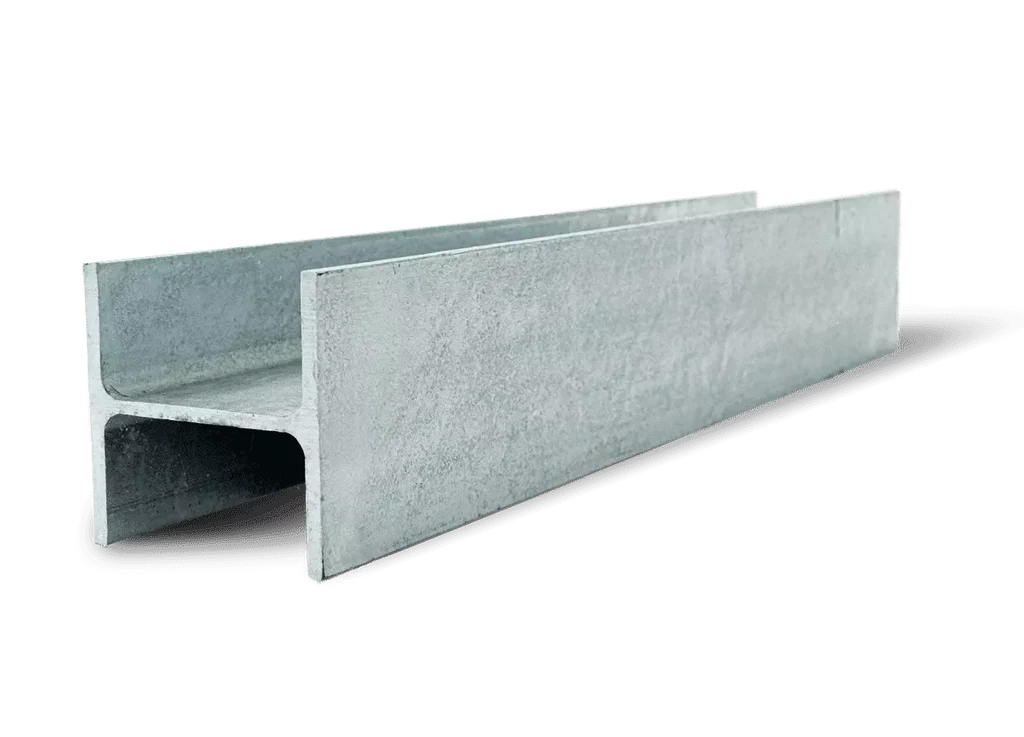
Sandstone concrete sleeper walls are everywhere these days. You can find them in backyards, along driveways, even in commercial landscaping. They look good, hold back soil, and last a long time. It is not just about picking the right sleepers. You should source galvanised steel posts. The depth of these posts is a crucial factor. Let us discuss this topic in detail.
Setting posts at the right depth is crucial.
Many people focus on finding tough, concrete sleepers. Then, they forget about galvanised steel posts. If you don’t put those steel posts deep enough, you are asking for trouble. The wall may start to lean or fail completely. Several factors, including the kind of soil, drainage, the height of your wall, and local weather, play a crucial role. Why does post depth matter? The posts do most of the heavy lifting. They keep all that soil back and lock your sleepers in place. If they are too shallow, the wall simply won’t hold up.
How deep should posts go?
There is a basic rule a lot of builders use when installing posts for sandstone concrete sleepers. Sink about one-third to half the total length of the steel post into the ground. These are starting points. Sometimes, you may have to deal with really tricky ground or stricter local rules. Then you will have to adjust according to the exact situation.
Wall height is an important factor.
When the wall is taller, galvanised steel posts will have to handle more force. When you double the height, you can dramatically increase the pressure behind the wall. It suggests the importance of deeper posts or beefier footings. If you are building a wall over one metre, it is a smart move to bring in an expert to check your plans. Sometimes, you need precise engineering just to make sure everything stays upright.
Soil makes a difference.
Not all ground is created equal. If you are digging into loose, sandy, or really reactive soils, your posts for sandstone concrete sleepers need to go much deeper. Solid clay or firm, stable ground can get away with less depth. You should consider the firmness of the dirt, wetness in the area, the soil movement or erosion, and the way water drains through the spot. A proper site check could save you major headaches down the road.
Don’t overlook concrete footings.
These steel posts usually need concrete to keep them in place. You should make the footing bigger and wider for larger walls. A solid footing keeps the posts from moving or tipping, especially once heavy rain puts extra pressure on the wall. Getting the right concrete is also essential to keep your posts vertical for decades.
Conclusion
You should not ignore drainage. If water gets trapped behind your wall, the pressure goes way up. Even the best-installed posts cannot fight waterlogged soil forever. Therefore, drainage is a crucial aspect. Hiring experts is the best way to avoid confusion.
