

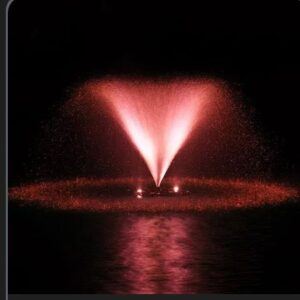
Large ponds add beauty and value to residential properties, golf courses, parks, commercial landscapes, and recreational spaces. However, maintaining a large body of water requires effective circulation and aeration to support water quality and aquatic life. Without proper water movement, large ponds can develop stagnant areas, algae blooms, unpleasant odors, and low oxygen levels. Installing floating fountains for large ponds is one of the most effective ways to improve both the health and appearance of these water features.
Unlike fixed fountain systems, floating fountains rest on the water’s surface and adjust naturally to changing water levels. Their continuous spray patterns promote oxygen exchange, improve circulation, and create an attractive focal point that enhances the overall landscape. Properly sized floating fountains also help distribute oxygen more evenly across larger ponds, supporting healthier aquatic ecosystems.
What Are Floating Fountains for Large Ponds?
Floating fountains are self-contained systems that use a submerged pump to draw water upward through decorative nozzles. As the water is sprayed into the air and falls back into the pond, it creates continuous circulation while increasing dissolved oxygen levels.
These fountains are commonly used in:
- Large residential ponds
- Golf course water hazards
- Public parks
- Estate lakes
- Commercial landscapes
- Community retention ponds
Their ability to float allows them to maintain consistent performance even when water levels fluctuate throughout the year.
Benefits of Installing Floating Fountains
Large ponds benefit significantly from continuous water movement.
Some of the primary advantages include:
- Improves water circulation
- Increases dissolved oxygen
- Helps reduce algae growth
- Minimizes stagnant water
- Supports healthier fish populations
- Discourages mosquito breeding
- Enhances the visual appeal of the pond
These benefits contribute to both a healthier pond ecosystem and a more attractive outdoor environment.
Choosing the Right Fountain Size
Selecting the appropriate fountain is essential for achieving effective circulation.
When choosing floating fountains for large ponds, consider:
- Pond surface area
- Water depth
- Pump horsepower
- Flow rate
- Spray height
- Nozzle pattern
- Electrical requirements
A properly sized fountain ensures adequate water movement across the pond while delivering an attractive display. Oversized or undersized systems may not provide optimal aeration or circulation.
Popular Spray Patterns
Different nozzle designs create unique visual effects while influencing water circulation.
Some popular spray patterns include:
Vertical Jet
Produces a tall, elegant stream that works well in open water.
Multi-Tier Display
Creates multiple levels of water spray, adding depth and visual interest.
Fan Pattern
Generates a wider spray that provides attractive coverage across the pond surface.
Decorative Combination Patterns
Combine several spray styles to create impressive displays suitable for parks and commercial properties.
The ideal spray pattern depends on the size of the pond and the desired appearance.
Why Aeration Is Essential
One of the biggest advantages of floating fountains for large ponds is improved aeration.
As water is propelled into the air, it absorbs oxygen before returning to the pond. This process increases dissolved oxygen levels, supports beneficial bacteria, and helps maintain healthier conditions for fish and aquatic plants. Continuous circulation also reduces thermal stratification and minimizes stagnant zones where algae and organic debris tend to accumulate.
Installation Tips
Proper installation helps maximize fountain performance.
Recommended practices include:
- Install the fountain near the center of the pond.
- Anchor the system securely.
- Verify sufficient water depth.
- Keep pump intakes free of debris.
- Ensure safe electrical connections.
- Test spray height and water coverage after installation.
Correct placement promotes even circulation throughout the pond.
Routine Maintenance
Regular maintenance keeps floating fountains operating efficiently.
Routine maintenance should include:
- Cleaning intake screens
- Inspecting nozzles
- Checking anchor cables
- Monitoring pump performance
- Removing accumulated debris
- Inspecting electrical connections
Preventive maintenance reduces downtime while extending the lifespan of the fountain system.
Ideal Applications
Floating fountains are suitable for many large-scale water features, including:
- Golf course ponds
- Decorative lakes
- Commercial developments
- Municipal parks
- Residential estates
- Farm ponds
- Community retention ponds
Their combination of functionality and visual appeal makes them an excellent solution for maintaining large bodies of water.
Conclusion
Installing floating fountains for large ponds is an effective way to improve water quality, increase oxygen levels, reduce stagnation, and enhance the overall appearance of large outdoor water features. By selecting the appropriate fountain size, choosing a suitable spray pattern, and following a regular maintenance schedule, pond owners can enjoy cleaner water and a healthier aquatic environment for years to come. Many property owners also enhance their displays with pond fountain lights. A properly maintained floating fountain provides lasting beauty while supporting the long-term health and balance of any large pond.
