

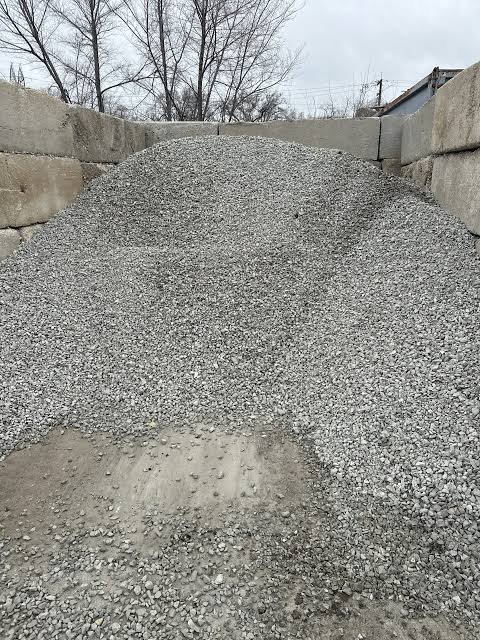
Every successful outdoor renovation from residential driveways and patio installations to complex erosion control systems depends entirely on the structural integrity of its underlying base layers. Selecting the appropriate crushed stone aggregate ensures long-term stability, prevents uneven ground settling, and provides essential drainage channels beneath heavy paving surfaces. Among the various stone sizes available to contractors and property owners, crushed aggregate sized to 3 4 limestone stands out as the industry standard for functional hardscaping and drainage applications. By sourcing these high-grade bulk landscape material options in proper volumes, property owners create a durable, weather-resistant foundation that protects exterior investments against shift, soil washout, and severe freeze-thaw degradation over time.
Understanding the Structural Role of Crushed Stone Aggregates
Crushed stone serves as the foundational load-bearing layer for virtually every permanent landscape installation, absorbing compressive weight and distributing surface forces evenly across the subgrade. Angular stone particles interlock tightly under mechanical compaction, creating a stable, dense mass that resists shifting under heavy vehicle tires or foot traffic. Unlike rounded river rock or uncrushed gravel, angular crushed aggregate creates friction between individual pieces, eliminating internal movement and lateral slippage. Understanding how crushed stone behaves under compaction allows builders to engineer stable base depths tailored to specific soil conditions, expected weight loads, and local climate patterns.
Why 3 4 Limestone Is the Industry Standard for Base Layers
Among the wide variety of stone aggregates, 3 4 limestone is widely recognized by site contractors as the most versatile size for foundational civil and residential work. This specific dimension allows for optimal void space between stones when uncompacted, promoting maximum water movement while still locking tightly when driven over or tamped down with heavy plate compactors. The chemical composition of limestone provides excellent durability, breaking down minimally under repeated environmental pressure or moisture exposure. Whether used as a base layer for paver installations, driveways, or backfill around drainage pipes, this gravel grade balances compaction density with hydraulic permeability exceptionally well.
Primary Applications for Crushed Aggregate in Modern Landscaping
Integrating angular crushed stone into site development offers several distinct structural, functional, and financial benefits for long-term land management:
- Driveway Construction & Resurfacing: Provides a durable, rut-resistant surface layer or base course that supports heavy vehicular loads.
- Patio & Walkway Base Preparation: Creates a level, non-yielding sub-base underneath bedding sand and interlocking concrete pavers.
- French Drain & Trench Backfilling: Surrounds perforated drainage pipes to filter groundwater and prevent soil migration into drainage lines.
- Retaining Wall Footings & Drainage: Forms a stable foundation pad and backfill zone behind block walls to relieve hydrostatic pressure.
- Erosion Control & Mud Management: Stabilizes high-traffic farm paths, construction entrances, and muddy sloped areas subject to washouts.
Sourcing Bulk Landscape Material for Large-Scale Projects
Planning a major outdoor renovation requires accurate volume calculations and efficient material logistics to avoid costly project delays or excessive material waste. Ordering high-grade bulk landscape material directly from bulk suppliers ensures consistency in stone size, cleanliness, and mineral composition across the entire job site. Bulk purchasing significantly reduces unit delivery costs compared to bagged alternatives while allowing contractors to spread and compact uniform layers efficiently. Furthermore, establishing a reliable bulk supply chain guarantees that complementary materials such as topsoil, crushed gravel, and bedding sand—arrive on schedule, keeping multi-phase hardscape projects moving forward seamlessly.
Environmental and Drainage Benefits of Permeable Base Systems
Proper water management is critical for preventing foundation erosion, surface pooling, and catastrophic structural failure during periods of heavy rain or spring snowmelts. Permeable base installations constructed with angular stone allow stormwater to infiltrate the ground naturally, reducing urban runoff and filtering sediment before it reaches local storm sewers. By replacing non-porous concrete surfaces with permeable crushed stone or paver systems, property owners help recharge local groundwater aquifers while keeping surrounding topsoil intact. This eco-friendly approach to land grading combines environmental stewardship with practical engineering, keeping outdoor living spaces dry, functional, and visually appealing year-round.
Best Practices for Installing and Compacting Crushed Stone Bases
Achieving a rock-solid, long-lasting hardscape foundation requires strict adherence to proper excavation, geotextile placement, and mechanical compaction techniques:
- Excavate to Stable Subgrade: Remove topsoil, organic debris, and soft clay until reaching firm, unyielding sub-soil before placing stone.
- Lay Heavy-Duty Woven Geotextile: Line the excavated area with landscape fabric to keep the stone base from sinking into soft subsoil.
- Install Stone in Lifts: Spread crushed aggregate in thin, 2-to-4-inch layers rather than dumping the entire depth at once.
- Compact Each Lift Thoroughly: Use a heavy mechanical plate compactor or roller over every lift to achieve maximum density and particle locking.
- Ensure Proper Slope for Runoff: Grade the finished base layer to pitch away from home foundations at a minimum 1% to 2% slope.
Partner with Hardscape Professionals to Build Lasting Surfaces
Executing a flawless site preparation project demands specialized equipment, precise volume estimation, and deep technical knowledge of soil hydrology and material performance. From excavating challenging terrain to placing, grading, and compacting heavy bulk materials, working with experienced contractors eliminates guesswork and guarantees structural safety. Infinity Landscaping offers expert hardscape, grading, and landscape construction services designed to turn raw land into stunning, built-to-last outdoor environments contact our team today to schedule a site consultation and start building your project on a rock-solid foundation.
Frequently Asked Questions
What is the difference between crushed limestone with fines and clean 3 4 limestone? Clean limestone contains only uniformly sized 3/4-inch angular stones with all fine dust washed out, leaving clear void spaces for water drainage. Limestone with fines (often called dense grade or road bond) includes crushed stone mixed with limestone dust, which packs into a rock-hard, non-porous surface ideal for solid driveways but unsuitable for drainage trenches.
How do I calculate how much bulk aggregate I need for my project? To determine required volume, multiply the length by the width of the area in feet, then multiply by the desired depth in feet (e.g., 4 inches = 0.33 feet) to find total cubic feet. Divide that number by 27 to convert to cubic yards. One cubic yard of crushed stone typically weighs approximately 1.3 to 1.5 tons depending on moisture content.
Can I dump crushed stone directly onto lawn or dirt without excavating? Dumping stone directly onto unexcavated grass or soft dirt leads to rapid sinking, weed growth, and uneven rutting as moisture turns the subgrade into mud. Proper installation requires excavating organic topsoil, laying down a separation geotextile fabric, and compacting the aggregate in controlled layers.
Why is angular crushed stone better than smooth river gravel for driveways? Angular stone pieces feature sharp edges that interlock under weight, forming a stable, rigid matrix that resists shifting, spinning tires, and rutting. Smooth, rounded river gravel lacks interlocking edges, causing stones to roll under foot and vehicle traffic like marble bearings.
How deep should a limestone base be for a driveway versus a patio? A typical pedestrian patio or walkway requires a compacted base layer depth of 4 to 6 inches of crushed aggregate. Residential driveways supporting passenger vehicles require a deeper base layer of 8 to 12 inches, compacted in multiple lifts to handle heavier load-bearing demands.
