

The development of innovative therapies for rare autoimmune diseases depends heavily on access to high-quality patient-derived biospecimens. Among these conditions, pemphigus vulgaris disease remains a significant focus for researchers seeking to understand autoimmune mechanisms and identify new treatment options. As scientific interest in autoimmune disorders continues to grow, Pemphigus Vulgaris Samples for Research have become increasingly valuable resources for translational and clinical studies.
Researchers rely on blood-derived biospecimens, tissue samples, serum, and human plasma samples to investigate disease progression, immune responses, and therapeutic targets. These samples provide critical biological insights that help accelerate drug discovery and improve patient outcomes across multiple therapeutic areas.
What Is Pemphigus Vulgaris?
Pemphigus Vulgaris disorder is a rare autoimmune blistering disease characterized by the production of autoantibodies that attack proteins responsible for maintaining skin and mucosal integrity. This immune-mediated attack leads to painful blisters and erosions on the skin and mucous membranes.
The exact cause of the disease remains under investigation, but genetic susceptibility and environmental factors are believed to contribute to disease development. Because of its complexity, researchers require access to well-characterized patient samples to better understand the biological pathways involved.
Lorem ipsum dolor sit amet, consectetur adipiscing elit. Ut elit tellus, luctus nec ullamcorper mattis, pulvinar dapibus leo.
The Importance of Pemphigus Vulgaris Samples for Research
Biospecimens collected from affected patients serve as foundational tools for scientific discovery. Pemphigus Vulgaris Samples for Research enable investigators to study immune dysregulation, identify disease-specific biomarkers, and evaluate treatment responses.
These samples support various research applications, including:
- Autoantibody profiling
- Biomarker discovery
- Immunological studies
- Drug target identification
- Clinical trial support
- Precision medicine initiatives
By analyzing patient-derived biospecimens, researchers can gain a deeper understanding of disease mechanisms and develop therapies that specifically address the underlying causes of the condition rather than simply managing symptoms.
How Human Plasma Samples Support Therapeutic Development
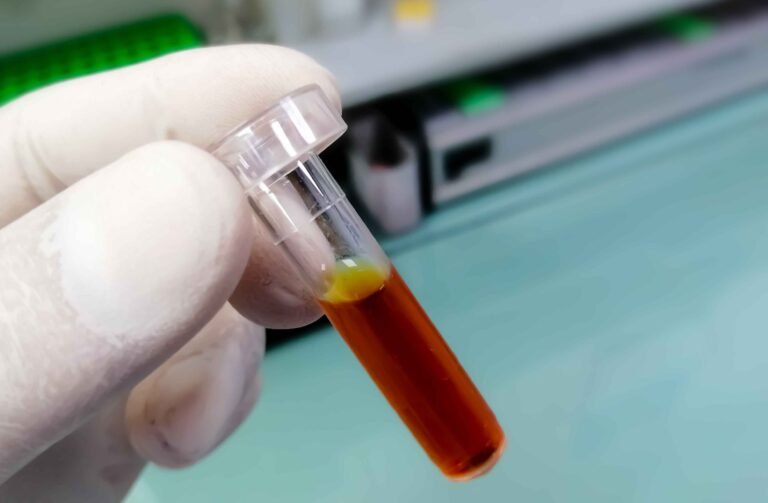
Among the most valuable biospecimens used in autoimmune disease research are human plasma samples. Plasma contains proteins, antibodies, cytokines, growth factors, and other circulating biomarkers that provide a snapshot of a patient’s immune status.
In pemphigus vulgaris disease research, plasma samples allow scientists to:
Evaluate Autoantibody Activity
The hallmark of the disease is the presence of pathogenic autoantibodies. Plasma analysis helps researchers measure antibody levels and assess their role in disease severity and progression.
Discover Novel Biomarkers
Researchers use advanced molecular techniques to identify biomarkers associated with disease onset, treatment response, and relapse risk. These biomarkers may eventually support personalized treatment strategies.
Monitor Immune Responses
Because pemphigus vulgaris involves complex immune system dysfunction, plasma samples provide critical information about inflammatory pathways and immune cell signaling.
Support Drug Development Programs
Pharmaceutical companies frequently utilize human plasma samples to evaluate the effectiveness of experimental therapies and monitor biological responses during clinical trials.
Addressing Pemphigus Vulgaris Complications Through Research
One of the major challenges associated with this condition is the wide range of Pemphigus Vulgaris Complications that can affect patients.
Common complications include:
- Secondary infections
- Chronic pain
- Nutritional deficiencies
- Delayed wound healing
- Reduced quality of life
- Side effects from long-term immunosuppressive therapies
By studying patient biospecimens, researchers can identify factors that contribute to these complications and develop therapies aimed at reducing disease burden.
Understanding the biological markers associated with disease progression may also help clinicians predict complications before they occur, allowing for earlier intervention and improved patient management.
The Growing Importance of Biospecimen Collections
High-quality biospecimen collections play an increasingly important role in advancing autoimmune disease research. Well-characterized Pemphigus Vulgaris Samples for Research often include:
- Whole blood samples
- Serum samples
- Human plasma samples
- Peripheral blood mononuclear cells (PBMCs)
- DNA and RNA samples
- Matched clinical data
When these samples are collected and processed according to standardized protocols, they provide reliable data that can be used across multiple studies and research programs.
Access to diverse sample cohorts also allows investigators to compare disease characteristics among different patient populations and identify factors influencing treatment outcomes.
Advancing Research Across Multiple Therapeutic Areas
Although pemphigus vulgaris is considered a rare disease, findings from its study often extend beyond dermatology and autoimmune medicine. Research involving Pemphigus Vulgaris Samples for Research contributes valuable knowledge across several therapeutic areas.
These include:
Autoimmune Diseases
Insights gained from pemphigus vulgaris research help scientists better understand immune dysregulation mechanisms shared by other autoimmune disorders.
Immunology
Patient biospecimens support investigations into antibody production, immune signaling pathways, and inflammatory responses.
Dermatology
Research helps identify novel approaches for treating chronic inflammatory skin conditions and improving skin barrier function.
Precision Medicine
Biomarker discovery efforts may enable more personalized treatment approaches tailored to individual patient profiles.
Drug Discovery
Pharmaceutical developers use biospecimens to evaluate potential therapeutic targets and accelerate clinical development programs.
Why Researchers Need Access to High-Quality Samples
The success of translational research depends heavily on sample quality. Poorly characterized specimens can lead to inconsistent findings and delayed progress.
High-quality Pemphigus Vulgaris Samples for Research provide several advantages:
- Improved data reliability
- Better biomarker validation
- Enhanced reproducibility
- Faster therapeutic development
- More successful clinical trial outcomes
When paired with comprehensive clinical information, these biospecimens become even more valuable for understanding disease heterogeneity and treatment responses.
The Future of Pemphigus Vulgaris Therapeutic Development
Advances in molecular biology, genomics, and immunology continue to transform the landscape of autoimmune disease research. As scientists seek more targeted and effective therapies, access to patient-derived biospecimens will remain essential.
The continued use of human plasma samples and other biological materials enables researchers to uncover new biomarkers, identify therapeutic targets, and evaluate emerging treatment strategies.
As our understanding of pemphigus vulgaris disease expands, biospecimen-driven research will play a central role in developing safer and more effective therapies while addressing the challenges associated with Pemphigus Vulgaris Complications.
Conclusion
The path toward better treatments for Pemphigus Vulgaris disorder depends on high-quality patient biospecimens. From biomarker discovery and immune profiling to drug development and clinical trial support, Pemphigus Vulgaris Samples for Research provide invaluable resources for advancing scientific knowledge.
Through the analysis of human plasma samples and other biological specimens, researchers can accelerate innovation across numerous therapeutic areas, bringing the medical community closer to more precise and effective treatments for patients affected by this challenging autoimmune disease.
