

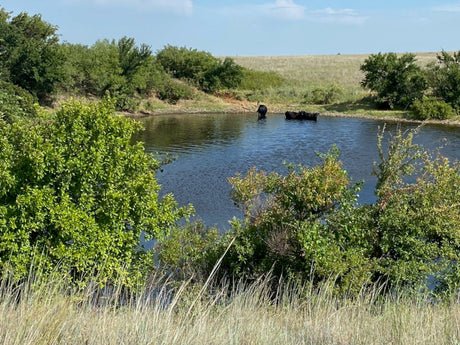
For both the experienced hunter who has been elk hunting for decades and the newcomer who is embarking on his or her first season of hunting, the main difference between an ordinary hunt and one that will leave you with memories for life is that good land gives good hunts.
Here are some tips on how to find it and make use of it during your elk season.
1. Know What Elk Need
Prior to your land search, it’s important to know what kind of elk habitat you need. This includes:
· Food sources – crop fields, grasslands, and browse areas
· Water – streams, ponds, and water holes
· Cover – woods, draw bottoms, and stream beds for bedding and escape purposes
· Low pressure from hunters—a relatively undisturbed piece of land where elk can move about during the daytime
Remember to first locate these features on topo and aerial maps prior to even visiting the land.
2. Target the Right States and Regions
Elk habitats include many parts of the west, as well as some sections of the southern prairies. In Oklahoma and Arizona, for instance, there is an increasing population of elk on private lands, making hunting a lot easier—usually with reduced competition compared to other western states.
Finding an area where the density of the elk matches the private property you own will provide a great advantage. States that issue elk tags on private property may also simplify the licensing procedure.
3. Use a Trusted Hunting Lease Platform
Finding good-quality land for hunting is also easy if you know where to look, and one such place would be a hunting lease marketplace website. Websites such as US Hunts connect hunters with landowners who provide detailed descriptions of leased hunting land, including its size, habitat type, and costs.
In this way, there is no need to make a lot of phone calls or guesswork when looking around at different locations for a lease.
4. Evaluate the Property Carefully
With a good lead in hand, investigate further:
· Acreage – The more land you have, the more hunting area and less pressure
· Land features – Search for water, food sources, and elk funnels
· Elk history – Have elk been confirmed here before? Trail cameras or reports from the landowner will be key
· Terms – Make sure you know what kind of limits you’ll face, when seasons occur, and if there are any limitations
Don’t rush into leasing. Conduct thorough research and reap the rewards of your efforts while hunting.
5. Build a Relationship With the Landowner
Accessing private property is a privilege. Hunters whom the landowner trusts will provide critical information about which pastures are holding the elk, the location of water sources, and when bulls are on the move. Respect the land and your lease, and you can reap the rewards for years.
FAQs
Is private land elk hunting worth the cost?
Absolutely. The improved success rate, decreased competition, and access exclusivity make it worth it in terms of investment as compared to hunting on public land.
Do I still need a tag or license for private land?
Absolutely. Everything regarding the state licensing and tags applies even if you hunt on the private land.
How far in advance should I book a lease?
The earlier, the better—but preferably around 3 to 6 months before your hunting season starts.
Can I find elk hunting leases in Oklahoma and Arizona?
Absolutely. US Hunts has got some elk hunting leases in Oklahoma (Kiowa/Comanche) and Apache County, Arizona. Find more information here.
