

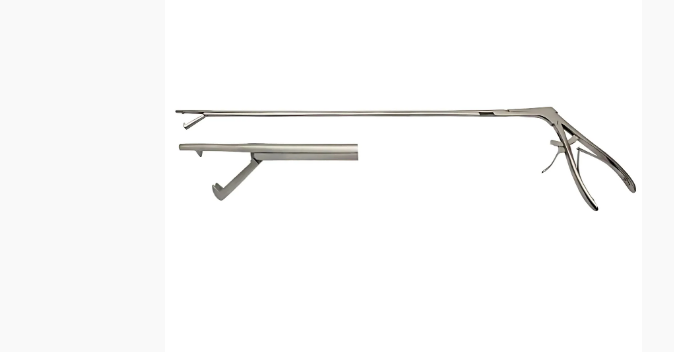
Farrier tools are a significant investment, and their performance directly affects the quality of hoof care. Proper maintenance and storage are essential to ensure durability, safety, and efficiency. In 2026, with advanced materials and tool designs, taking care of your equipment has become easier but it still requires consistency and attention to detail. Many professionals also organize related equipment like Equine Dental Kits alongside their hoof care tools for convenience and efficiency. A well-maintained toolbox not only saves money but also enhances professional results.
Daily Cleaning Practices
Remove Dirt and Debris
After each use, tools should be cleaned thoroughly to remove dirt, hoof particles, and moisture. Residue left on tools can lead to corrosion and reduce efficiency over time.
Drying Tools Properly
Moisture is one of the biggest threats to metal tools. Always dry tools with a clean cloth after washing to prevent rust formation.
Sharpening and Conditioning
Keep Blades Sharp
Tools like hoof knives and nippers must be kept sharp for precise work. Regular sharpening reduces effort and improves accuracy, making the job safer for both the farrier and the horse.
Use Proper Sharpening Techniques
Using sharpening stones or professional tools ensures that blades maintain their correct angle and effectiveness. Avoid over-sharpening, which can weaken the metal.
Preventing Rust and Corrosion
Apply Protective Coatings
Lightly oiling metal tools helps create a barrier against moisture and air, preventing rust. This is especially important in humid environments.
Store in Dry Conditions
Keeping tools in a dry, well-ventilated area significantly reduces the risk of corrosion and prolongs their lifespan.
Proper Storage Solutions
Use Organized Toolboxes
A structured toolbox with compartments keeps tools separated and easy to access. This prevents damage caused by tools knocking against each other.
Invest in Portable Storage
For mobile farriers, durable and weather-resistant toolboxes are essential. They protect tools during transport and ensure everything stays organized on the go.
Regular Inspection and Maintenance
Check for Wear and Damage
Inspect tools regularly for cracks, loose handles, or worn edges. Addressing minor issues early prevents costly replacements later.
Replace When Necessary
Even with proper care, tools will eventually wear out. Replacing damaged tools ensures safety and maintains professional standards.
Ergonomics and Safe Handling
Maintain Comfortable Grip
Handles should be kept clean and in good condition to ensure a firm grip. Worn or slippery handles can lead to accidents.
Store Tools Safely
Sharp tools should be stored with protective covers or in designated compartments to avoid injuries.
Conclusion
Maintaining and storing farrier tools properly is key to extending their lifespan and ensuring consistent performance. From daily cleaning and sharpening to organized storage and regular inspections, every step contributes to better efficiency and safety. By investing time in proper care, farriers can protect their tools, improve their workflow, and deliver high-quality hoof care for years to come.
