

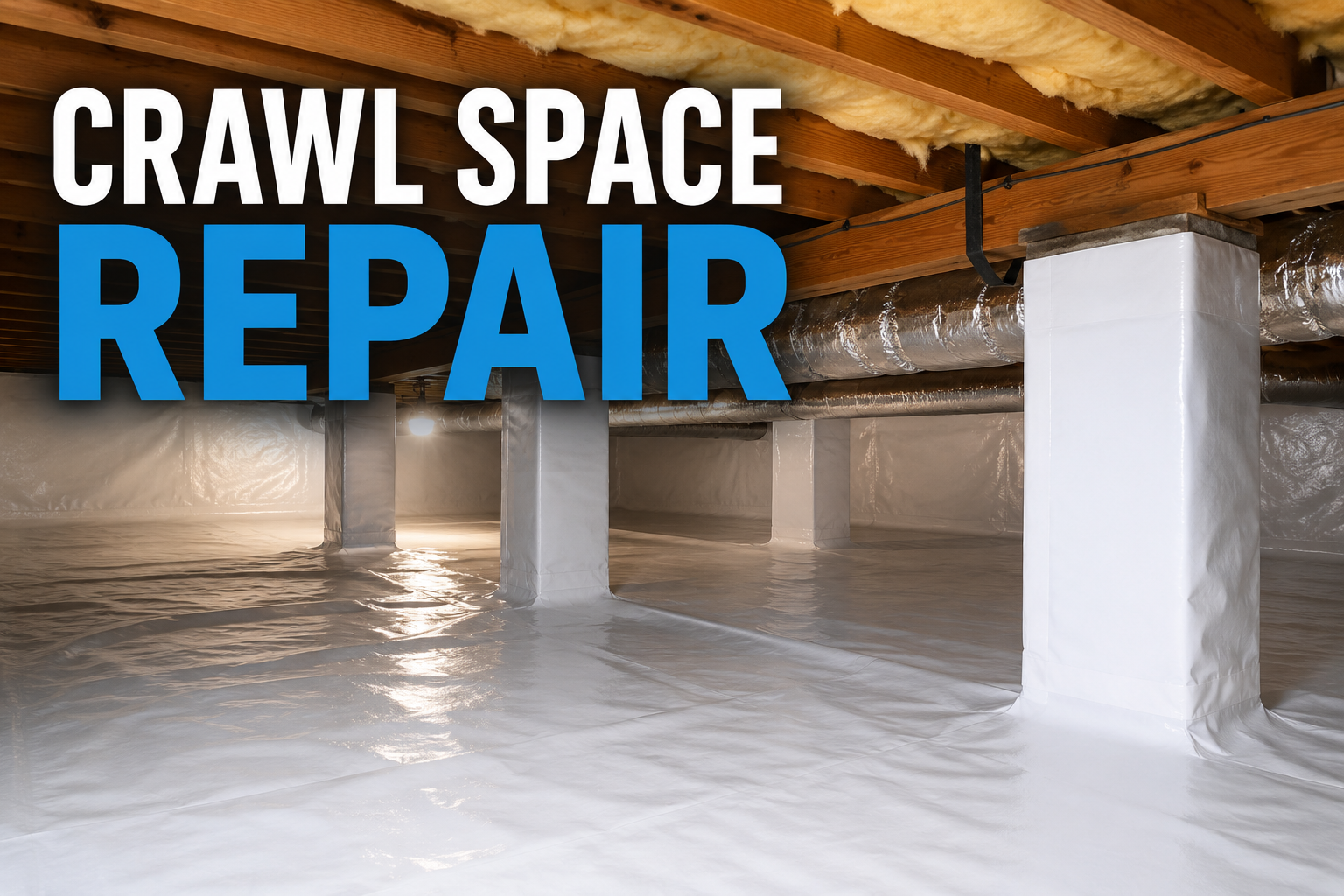
Your home gives small warning signs when something is wrong underneath it. A crawl space may be out of sight, but it plays a big role in keeping your home safe, dry, and stable. When problems start in this area, they can slowly affect your floors, walls, air quality, and even the strength of your home. Knowing when you need crawl space repair can help you fix issues before they become bigger problems.
Warning Signs Homeowners Should Not Ignore
Problems in a crawl space often start small. However, they can grow over time if they are not fixed.
Some common warning signs include:
- Musty smells inside the home
- Soft or uneven floors
- Extra moisture under the house
- Cracks in walls or floors
- Higher indoor humidity
- Mold growth
If you notice one or more of these signs, it may be time to have your crawl space inspected.
Musty Smells Coming From Below
One of the first signs of crawl space trouble is a damp, musty smell. Moisture can build up under the home and create the perfect place for mold and mildew to grow. Over time, these smells can move through the house and make indoor spaces feel unpleasant.
If your home smells damp even after cleaning, the crawl space could be the source of the problem.
Moisture and Standing Water
A crawl space should stay as dry as possible. When water begins to collect underneath your home, it can lead to serious issues. Heavy rain, poor drainage, plumbing leaks, or groundwater can all cause moisture problems.
In some cases, homeowners may need wet crawl space repair to remove water problems and protect the structure of the home. Ignoring standing water can allow damage to spread over time.
Cracks Appearing Inside the Home
Small cracks can happen naturally in some homes. However, growing cracks may point to a larger problem.
Watch for cracks around:
- Windows
- Doors
- Interior walls
- Flooring surfaces
These cracks can sometimes appear when the crawl space supports shift or settle.
Mold Growth and Excess Humidity
Too much moisture often leads to mold growth. Mold may appear in the crawl space itself, but it can also affect other parts of the home. High humidity levels can travel upward through the structure and create unhealthy indoor conditions.
Signs may include:
- Condensation on windows
- Damp air indoors
- Visible mold spots
- Strong musty odors
Addressing crawl space moisture can help improve the overall condition of the home.
How Crawl Space Problems Affect Your Home
Issues below your home rarely stay in one place. Over time, they can affect several areas of the property.
1. Wood Damage and Rot
Wooden supports inside a crawl space are important for structural stability. When moisture stays present for long periods, wood can begin to weaken and rot.
Damaged wood may:
- Lose strength
- Sag under weight
- Develop mold
- Require repair or replacement
Early action helps prevent larger structural concerns.
2. Doors and Windows Become Hard to Open
If doors and windows suddenly begin sticking or become difficult to open, structural movement could be happening.
As the crawl space shifts, the home above may move slightly as well. This movement can affect door frames and window frames, making them harder to use properly.
3. Rising Indoor Humidity Levels
A damp crawl space often affects the air inside the home. Moisture from below can move upward and make indoor spaces feel sticky or uncomfortable.
Higher humidity levels can also place extra strain on cooling systems and create conditions that support Mold growth.
Foundation Warning Signs
The crawl space and foundation work together to support your home. If crawl space problems continue for too long, they may begin affecting the foundation structure.
This is where crawlspace foundation repair may become necessary to address structural concerns and restore stability. Recognizing early warning signs can help reduce the risk of more serious damage.
Why Professional Inspections Matter
Some crawl space problems are difficult to see without entering the area. Professional inspections help identify issues before they become severe.
Experts can evaluate:
- Moisture levels
- Structural supports
- Ventilation conditions
- Insulation performance
- Signs of mold or pests
This information helps homeowners understand the condition of their crawl space and determine whether repairs are needed.
Protecting Your Home for the Future
Small crawl space issues rarely stay small forever. Addressing problems early helps protect your home’s structure, indoor air quality, and long-term stability.
For homeowners noticing warning signs, professional crawl space repair can help restore a healthier and safer environment underneath the home.
Conclusion
Your crawl space may be hidden, but it has a major impact on your home’s health and stability. Musty odors, standing water, uneven floors, mold growth, pests, and structural changes are all signs that something may need attention. Taking action early can help prevent larger issues and keep your home safe, dry, and comfortable for years to come.
Schedule a professional crawl space inspection today and take the first step toward protecting your home’s foundation and overall condition.
FAQs
1. What are the most common signs that I need crawl space repair?
Common signs include musty odors, uneven or sagging floors, excess moisture, standing water, mold growth, cracks in walls or floors, and increased indoor humidity. These issues may indicate damage or moisture problems in your crawl space that require professional attention.
2. Can a wet crawl space affect the air quality inside my home?
Yes. Moisture and mold in a crawl space can impact indoor air quality because air from the crawl space can circulate throughout your home. This may lead to musty smells, higher humidity levels, and potential health concerns related to mold exposure.
3. What causes moisture problems in a crawl space?
Moisture can enter a crawl space due to heavy rainfall, poor drainage, plumbing leaks, groundwater intrusion, inadequate ventilation, or damaged vapor barriers. Identifying and fixing the source of moisture is essential to preventing long-term damage.
4. How do crawl space issues affect my home’s foundation?
Over time, excess moisture, wood rot, and shifting supports can weaken the structural integrity of your home. If left untreated, crawl space problems may contribute to foundation settlement, cracks, and the need for crawlspace foundation repair.
5. How often should a crawl space be inspected?
Homeowners should consider having their crawl space professionally inspected at least once a year, especially after periods of heavy rain or if they notice warning signs such as odors, moisture, mold, or uneven floors. Regular inspections can help detect problems early and reduce repair costs.
