

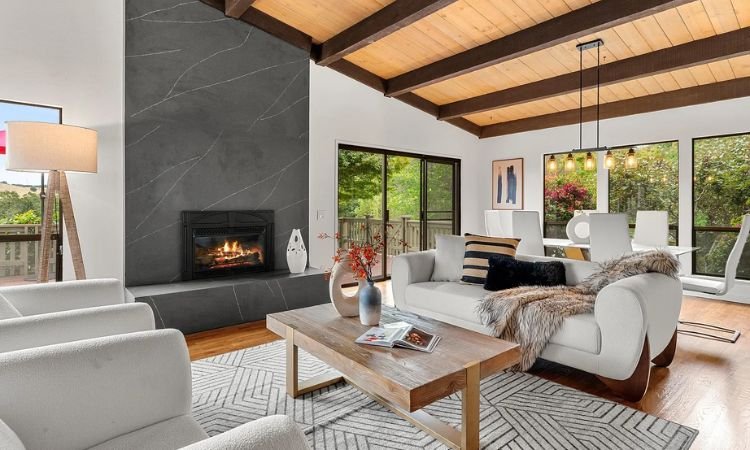
A beautifully staged home does more than look attractive—it tells a story buyers want to step into. The moment someone enters a thoughtfully prepared space, they begin to form an emotional connection that often guides their purchasing decision far more than square footage or price alone. The true secret behind unforgettable interiors lies in three design pillars: texture, lighting, and layering.
When used strategically, these elements create depth, warmth, and sophistication that make a property feel elevated yet livable. Today’s buyers are drawn to homes that feel modern, effortless, and emotionally inviting. This is where an experienced house staging company can make an ordinary room feel editorial-worthy while still maintaining a sense of comfort.
In competitive real estate markets, staging is no longer just about placing furniture in empty corners. It is about curating atmosphere. A professional home stager in San Leandro understands how these subtle design choices influence perception, helping homes stand out both online and during in-person tours.
Let’s explore the modern staging secrets that make texture, lighting, and layering such powerful tools.
Why Modern Home Staging Feels More Luxurious Today?
The homes that sell fastest often share one common trait: they feel complete. Not crowded, not over-designed, but intentionally finished. Buyers want to feel like the lifestyle they desire already exists inside the walls.
Modern staging focuses on sensory appeal. Instead of relying solely on furniture arrangement, professionals build an immersive experience through tactile fabrics, soft illumination, and carefully placed accents.
A skilled house staging company approaches each room like a visual narrative. Every layer has a purpose:
- Texture adds touchable richness.
- Lighting shapes mood and dimension.
- Layering builds personality without clutter.
This design psychology creates a polished look that photographs beautifully and leaves a lasting impression.
The Power of Texture: Adding Depth Without Overcomplication
Texture is one of the most underestimated staging tools. It quietly transforms flat, lifeless rooms into spaces that feel dynamic and luxurious.
In modern staging, texture is created through contrast:
- Linen curtains against smooth painted walls.
- Velvet cushions on a structured sofa.
- Woven baskets beside sleek side tables.
- Matte ceramics paired with glossy metallic finishes.
These combinations keep minimalist interiors from feeling cold.
For example, a neutral living room can instantly feel more sophisticated with a boucle accent chair, a wool throw, and a natural jute rug. The palette may remain simple, but the visual movement created by varied materials adds interest.
A trusted home stager in San Leandro knows that texture also helps define zones within open-concept homes. Soft textiles can make seating areas feel intimate, while wood and stone accents ground larger spaces.
The goal is balance, enough variation to create depth, but never so much that the room feels busy.
Lighting as a Design Language in Home Staging
Lighting is where staging becomes emotional.
The same room can feel either sterile or irresistible depending on how it is lit. Great lighting highlights architectural features, enhances room proportions, and influences how colors are perceived.
Modern staging relies on three layers of lighting:
1) Ambient Lighting
This is the room’s foundational light source, such as ceiling fixtures, recessed lighting, or chandeliers.
2) Task Lighting
These include table lamps, floor lamps, and reading lights that add function while softening harsh shadows.
3) Accent Lighting
Accent lighting draws attention to artwork, shelves, textures, or focal walls.
A professional house staging company often uses warm white bulbs to create a welcoming glow that feels refined and natural. Harsh cool lighting can make even a beautifully furnished room appear clinical.
Natural light is equally important. Window treatments should frame sunlight, not block it. Sheer drapes, strategically placed mirrors, and reflective décor pieces help bounce brightness across the room.
A seasoned home stager in San Leandro understands how local buyer preferences often lean toward bright, airy interiors, making light optimization a critical part of staging success.
Layering: The Secret That Makes a Home Feel Designed
Layering is what gives a staged home its finished, magazine-worthy appeal.
Without layering, rooms often feel like furniture showrooms—functional but emotionally flat. With layering, they feel lived-in, aspirational, and real.
Layering in staging includes:
- Rugs over hardwood floors.
- Throws draped naturally over seating.
- Decorative pillows in varying sizes.
- Art placed above consoles.
- Coffee table books with sculptural objects.
- Plants for height and freshness.
Each layer adds dimension while guiding the eye through the room.
The key is restraint. A professional house staging company knows how to create richness without making surfaces feel overcrowded. Modern buyers appreciate simplicity, so each accessory must earn its place.
For bedrooms, layering bedding is especially effective. Crisp white sheets, a quilted coverlet, textured pillows, and a soft bench at the foot of the bed can instantly create a luxury hotel atmosphere.
How These Elements Work Together to Influence Buyers
Texture, lighting, and layering are most powerful when they work as one system.
Picture a living room:
- A woven rug adds tactile softness.
- A floor lamp casts a warm evening glow.
- Layered cushions and throws make the sofa inviting.
- Brass accents reflect subtle light.
- Greenery introduces organic texture.
Suddenly, the room no longer looks staged, it feels like home.
This emotional shift is what drives stronger buyer interest. People remember how a home made them feel, and that memory often influences offers.
A results-driven home stager in San Leandro uses these principles to help buyers visualize their future lifestyle in the space, increasing perceived value and market appeal.
Modern Home Staging Mistakes to Avoid
Even strong design elements can lose impact when used incorrectly.
Common mistakes include:
- Using too many textures in one small room.
- Choosing decorative lighting that is too dim.
- Over-layering with unnecessary accessories.
- Blocking natural light with heavy curtains.
- Mixing too many materials without a clear palette.
An experienced house staging company avoids these issues by maintaining cohesion. The goal is to make the design feel effortless, never forced.
Every room should have breathing space. Empty areas are just as important as styled ones because they allow buyers to mentally place themselves in the home.
Final Thoughts: The Art Behind Modern Staging Success
The most memorable staged homes are not always the most expensive. They are the ones designed with intention.
Texture creates richness. Lighting builds mood. Layering adds soul.
Together, these elements transform interiors into emotionally compelling environments that resonate with buyers from the first glance to the final walkthrough.
Whether you are preparing a luxury listing or refreshing a family home, working with a professional house staging company ensures every detail serves a strategic purpose. And if your property is in the Bay Area, partnering with an expert home stager in San Leandro can help you align your home with modern market expectations and buyer psychology.
In today’s visual-first real estate landscape, modern staging is not decoration—it is influence, storytelling, and strategy woven beautifully into every room.