

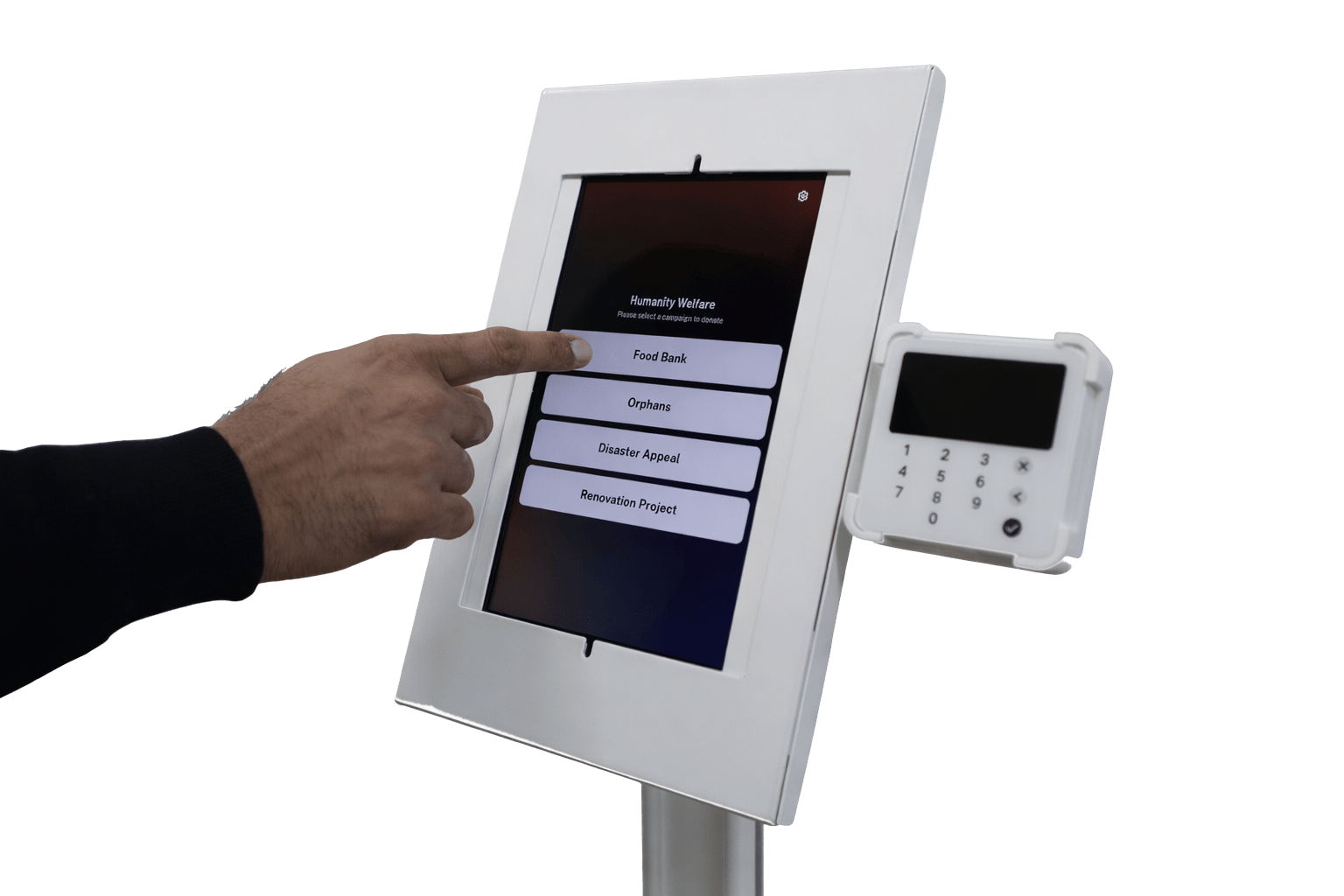
In today’s digital-first world, the way people donate to charities, religious organizations, nonprofits, and community initiatives is rapidly evolving. Traditional cash collection methods are no longer enough to meet the expectations of modern donors. As contactless payments become a part of everyday life, organizations are embracing innovative fundraising solutions such as the Contactless Donation Box and Donation Kiosk to increase donations and improve donor experiences.
These smart fundraising tools are revolutionizing charitable giving by making donations faster, safer, and more convenient than ever before.
What Is a Contactless Donation Box?
A Contactless Donation Box is a modern donation collection device that allows individuals to contribute using contactless payment methods instead of cash. Donors can simply tap their debit card, credit card, smartphone, or digital wallet to make a contribution within seconds.
Unlike traditional donation boxes that rely solely on coins and cash, contactless solutions support modern payment technologies such as:
- NFC (Near Field Communication)
- Contactless credit and debit cards
- Apple Pay
- Google Pay
- Samsung Pay
- Mobile banking wallets
This technology helps organizations collect donations from people who rarely carry cash, expanding fundraising opportunities and increasing donor engagement.
Why Contactless Giving Is Trending
The shift toward cashless payments has significantly influenced the nonprofit sector. Consumers today prefer quick, secure, and convenient payment methods. As a result, the Contactless Donation Box has become one of the fastest-growing fundraising technologies worldwide.
Several factors contribute to its popularity:
1. Growing Cashless Economy
Many people now rely on digital payments for everyday transactions. With fewer individuals carrying cash, traditional donation boxes often miss potential contributions. Contactless donation systems solve this challenge by accepting modern payment methods.
2. Faster Donation Process
A donor can complete a contribution in just a few seconds with a simple tap. This convenience encourages spontaneous giving and reduces hesitation.
3. Improved Security
Cash collection can involve risks such as theft, loss, and handling errors. A Contactless Donation Box eliminates many of these concerns by processing donations electronically and securely.
4. Enhanced Donor Experience
Modern donors appreciate frictionless experiences. Contactless technology provides a seamless way to support causes they care about without needing cash or paperwork.
Understanding the Donation Kiosk
A Donation Kiosk is a more advanced fundraising solution that combines digital payment processing with interactive features. While a contactless donation box focuses primarily on quick contributions, a donation kiosk offers a richer donor experience.
These kiosks often include:
- Touchscreen displays
- Multiple donation amounts
- Recurring donation options
- Cause-specific campaigns
- Digital receipts
- Multimedia storytelling
- QR code payments
Organizations can use donation kiosks to educate visitors about their mission while encouraging larger contributions.
Key Benefits of a Contactless Donation Box
Increased Donation Revenue
Research and industry experience consistently show that organizations often see higher donation amounts when they provide cashless giving options. Donors are not limited by the cash available in their wallets.
Greater Accessibility
A Contactless Donation Box enables visitors to donate using the payment method they already use every day. This accessibility helps maximize fundraising opportunities.
Easy Installation
Most contactless donation systems are designed for quick deployment. They can be placed in:
- Churches
- Temples
- Museums
- Schools
- Hospitals
- Community centers
- Charity events
- Retail locations
Real-Time Tracking
Unlike traditional collection boxes, digital systems provide instant access to donation data. Organizations can monitor fundraising performance and generate reports more efficiently.
Reduced Administrative Work
Electronic donations reduce the need for counting cash, manual reconciliation, and bank deposits, saving valuable time and resources.
How Donation Kiosks Improve Donor Engagement
A Donation Kiosk goes beyond payment collection by creating a personalized giving experience.
Storytelling Opportunities
Interactive screens can showcase videos, photos, and success stories that demonstrate the impact of donations. Emotional engagement often leads to higher contribution amounts.
Multiple Giving Options
Donation kiosks can present suggested donation levels, helping donors choose an amount that matches their willingness to contribute.
Recurring Donations
Many kiosks allow supporters to enroll in monthly giving programs, creating a sustainable revenue stream for organizations.
Data Collection
With donor consent, kiosks can collect contact information for future communication, newsletters, and fundraising campaigns.
Best Places to Use a Contactless Donation Box
Organizations across various sectors are benefiting from contactless fundraising technology.
Religious Institutions
Churches, mosques, temples, and other places of worship are increasingly adopting contactless donation systems to accommodate modern giving preferences.
Museums and Cultural Centers
Visitors often want to support exhibitions and preservation efforts. A Contactless Donation Box makes it easy to contribute immediately.
Healthcare Foundations
Hospitals and healthcare charities can place donation boxes in waiting areas and reception spaces to encourage community support.
Educational Institutions
Schools, colleges, and universities can use donation kiosks for alumni contributions, fundraising drives, and scholarship campaigns.
Nonprofit Events
Fundraising galas, charity runs, and awareness campaigns benefit greatly from fast and convenient donation technology.
Features to Look for in a Donation Kiosk
When selecting a Donation Kiosk, organizations should consider the following features:
- Secure payment processing
- User-friendly interface
- Multiple payment methods
- Custom branding options
- Donation analytics
- Cloud-based reporting
- Recurring donation functionality
- QR code integration
- Remote management capabilities
Choosing the right solution can significantly improve fundraising outcomes and donor satisfaction.
The Future of Digital Fundraising
As technology continues to evolve, the role of the Contactless Donation Box and Donation Kiosk will become even more important. Emerging trends include:
- AI-powered donor engagement
- Personalized donation experiences
- Cryptocurrency donations
- Integrated fundraising analytics
- Smart campaign tracking
- Omnichannel giving platforms
Organizations that adopt these innovations early will be better positioned to meet donor expectations and maximize fundraising success.
Conclusion
The fundraising landscape is changing rapidly, and organizations must adapt to modern donor behaviors. A Contactless Donation Box offers a convenient, secure, and efficient way to collect contributions in a cashless society. Meanwhile, a Donation Kiosk provides advanced engagement features that help organizations connect with supporters and increase donation revenue.
Whether used in religious institutions, museums, schools, healthcare facilities, or nonprofit events, these digital fundraising tools are proving to be valuable assets for organizations seeking sustainable growth. By embracing contactless giving technology, nonprofits can create a better donor experience while unlocking new opportunities for charitable impact.
Frequently Asked Questions (FAQs)
1. What is a Contactless Donation Box?
A Contactless Donation Box is a digital fundraising device that accepts donations through contactless cards, smartphones, and digital wallets instead of cash.
2. How does a Contactless Donation Box work?
Donors simply tap their contactless payment card or mobile device on the donation box to complete a donation instantly.
3. What is the difference between a Contactless Donation Box and a Donation Kiosk?
A Contactless Donation Box focuses on quick digital donations, while a Donation Kiosk includes interactive features such as touchscreens, campaign information, recurring giving options, and donor engagement tools.
4. Are contactless donations secure?
Yes. Most contactless donation systems use encrypted payment processing and comply with modern payment security standards.
5. Can a Donation Kiosk accept multiple payment methods?
Yes. Most donation kiosks support contactless cards, mobile wallets, chip cards, and QR-code-based payments.
6. Where can Contactless Donation Boxes be installed?
They can be placed in churches, temples, museums, schools, hospitals, nonprofit offices, event venues, and public spaces.
7. Do Contactless Donation Boxes increase fundraising results?
Many organizations report increased donations because donors can contribute even when they do not carry cash.
8. Can donors receive receipts from a Donation Kiosk?
Yes. Advanced donation kiosks can provide digital receipts through email or SMS.
9. Are Donation Kiosks suitable for small nonprofits?
Absolutely. Many scalable solutions are available that fit the budgets and fundraising goals of small and large organizations alike.
10. Why are Contactless Donation Boxes becoming popular?
Their convenience, speed, security, and compatibility with modern payment methods make them an ideal solution for today’s cashless fundraising environment.
