

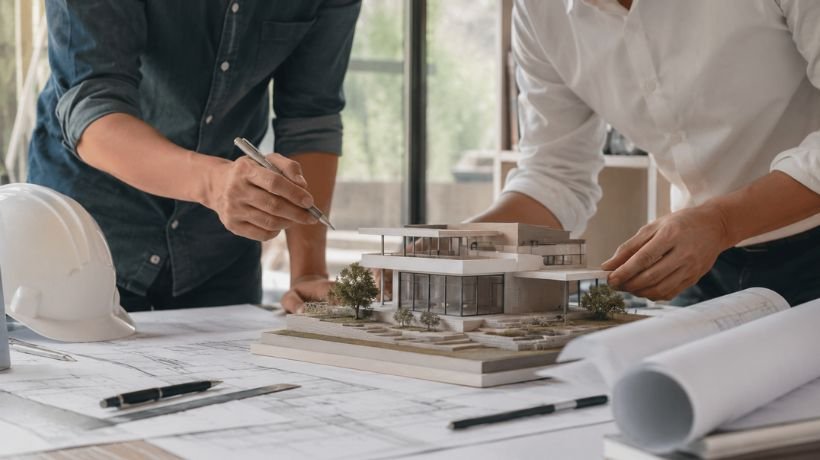
Architecture has evolved significantly over the years, adapting to changing lifestyles, technological advancements, and environmental concerns. Contemporary architecture represents this evolution by focusing on innovation, functionality, sustainability, and aesthetic appeal. As urban landscapes continue to expand, architects play a crucial role in shaping the built environment. The Best Architects in Chennai are at the forefront of this transformation, creating modern spaces that meet the demands of today’s homeowners, businesses, and communities.
Understanding Contemporary Architecture
Contemporary architecture is a design approach that reflects current trends, technologies, and social needs. Unlike traditional architectural styles that follow established patterns, contemporary architecture is dynamic and constantly evolving. It emphasizes clean lines, open spaces, natural lighting, energy efficiency, and the seamless integration of indoor and outdoor environments.
Modern occupants expect more from their living and working spaces than ever before. They seek comfort, flexibility, sustainability, and visual appeal. Architects are responsible for translating these expectations into practical and innovative design solutions that enhance everyday experiences.
Designing Spaces That Prioritize Functionality
One of the most important roles of architects in contemporary architecture is ensuring that spaces function efficiently. A building may look impressive from the outside, but its true success depends on how well it serves the people who use it.
Architects carefully analyze the available space, user requirements, and future needs before developing a design. They create layouts that optimize circulation, maximize usable areas, and improve convenience. Open-plan living spaces, multifunctional rooms, and smart storage solutions are common features of contemporary architecture that result from thoughtful planning.
By balancing aesthetics and practicality, architects ensure that every square foot contributes to the overall functionality of a building.
Incorporating Sustainable Design Principles
Sustainability has become a central focus in modern architectural design. Growing environmental awareness has encouraged architects to develop buildings that reduce energy consumption and minimize their ecological impact.
Contemporary architects incorporate sustainable features such as natural ventilation systems, daylight optimization, rainwater harvesting strategies, energy-efficient layouts, and environmentally friendly materials. These elements not only reduce environmental footprints but also enhance occupant comfort and long-term building performance.
Through sustainable design practices, architects help create healthier indoor environments while supporting global efforts toward environmental conservation.
Responding to Chennai’s Climate Conditions
Climate-responsive architecture is especially important in regions that experience high temperatures and seasonal weather variations. Architects play a key role in designing buildings that adapt to local environmental conditions.
By considering factors such as sunlight direction, wind flow, shading techniques, and thermal performance, architects can improve indoor comfort naturally. Features like courtyards, ventilated spaces, sunshades, and strategically placed openings contribute to better airflow and reduced heat gain.
This approach allows buildings to remain comfortable throughout the year while reducing dependence on artificial cooling systems.
Integrating Technology into Architectural Design
Technology has revolutionized the architectural profession. Today’s architects use advanced digital tools to improve accuracy, visualization, and collaboration throughout the design process.
Building Information Modeling (BIM), 3D rendering software, virtual walkthroughs, and digital simulations allow architects to present realistic representations of projects before implementation begins. Clients can better understand design concepts, provide feedback, and make informed decisions.
Technology also helps architects identify potential design challenges early in the planning stage, resulting in improved efficiency and better project outcomes.
Creating Personalized Design Solutions
Every client has unique preferences, requirements, and aspirations. Contemporary architects focus on delivering customized solutions rather than applying a one-size-fits-all approach.
Whether designing a compact urban residence, a spacious villa, an office space, or a mixed-use development, architects carefully consider the client’s lifestyle and goals. Personalized designs help create spaces that reflect individual identities while maintaining functionality and visual appeal.
This client-focused approach has become an essential aspect of contemporary architecture, where customization and flexibility are highly valued.
Preserving Cultural Identity Through Modern Design
While contemporary architecture embraces innovation, it does not necessarily ignore cultural influences. Architects often integrate local traditions, materials, and design elements into modern structures to create meaningful connections with their surroundings.
This balance between modernity and cultural relevance results in architecture that feels both timeless and contextually appropriate. By respecting local heritage while introducing contemporary concepts, architects contribute to a richer and more diverse built environment.
Such designs often stand out because they successfully combine the best aspects of tradition and innovation.
Supporting Urban Development and Growth
Rapid urbanization has increased the demand for well-planned and efficient spaces. Architects play an important role in managing this growth by creating designs that support sustainable urban development.
Their expertise helps optimize land use, improve accessibility, enhance public spaces, and promote environmental responsibility. Thoughtful architectural planning contributes to organized communities that offer better living and working conditions.
As cities continue to expand, architects become key contributors to creating environments that are both functional and visually appealing.
Enhancing Property Value Through Design
Quality architectural design can significantly influence the long-term value of a property. Well-planned spaces, attractive aesthetics, sustainable features, and efficient layouts often increase market appeal.
Architects focus on creating designs that remain relevant over time, ensuring that buildings continue to meet evolving user needs. Their attention to detail and commitment to quality help deliver lasting value for property owners and investors.
Contemporary architecture is therefore not only about appearance but also about creating assets that perform well in the long run.
Collaboration for Successful Project Execution
Architecture is a collaborative discipline that involves coordination among various professionals. Architects work closely with engineers, consultants, designers, and project teams to ensure that every aspect of a building aligns with the original vision.
Effective communication and teamwork are essential for transforming design concepts into reality. By managing multiple considerations such as functionality, aesthetics, sustainability, and compliance requirements, architects help guide projects toward successful outcomes.
In many projects, collaboration with experienced Building Contractors in Chennai ensures that architectural plans are executed with precision, maintaining the intended quality and design standards.
Conclusion
Contemporary architecture continues to shape the way people live, work, and interact with their surroundings. Architects play a vital role in this transformation by creating spaces that combine innovation, functionality, sustainability, and aesthetic excellence. From climate-responsive designs and technological integration to personalized solutions and urban development, their contributions influence every stage of the architectural process.
As modern lifestyles continue to evolve, architects will remain essential in designing environments that meet future demands while enhancing the quality of life for generations to come.
