

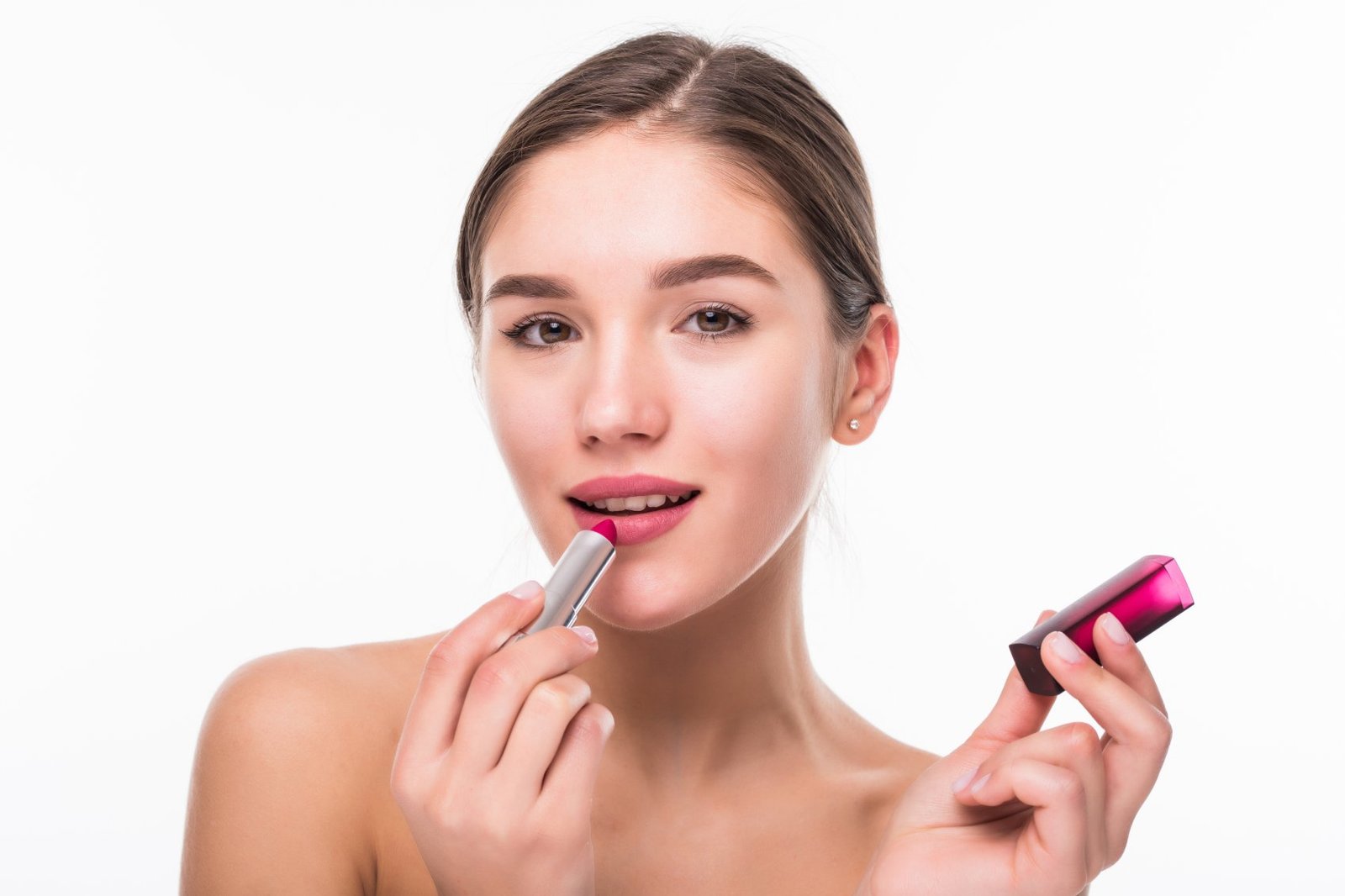
When it comes to skincare, lips are often overlooked, yet they are one of the most delicate and exposed parts of the body. Unlike the rest of the skin, lips lack oil glands, making them more prone to dryness, chapping, and environmental damage. Incorporating a high-quality lip balm into your daily routine is one of the simplest and most effective ways to maintain soft, smooth, and healthy lips.
This comprehensive guide explores everything you need to know about lip care with lip balm—from understanding why lips need special attention to choosing the right ingredients and establishing an effective lip care routine.
Why Lip Care Is Essential
1. Lips Lack Natural Protection
The skin on your lips is thinner than the skin on your face and does not contain sebaceous (oil) glands. This means lips cannot naturally moisturize themselves, making them vulnerable to dryness and cracking.
2. Constant Environmental Exposure
Lips are continuously exposed to harsh environmental factors such as:
- Sun exposure
- Cold and windy weather
- Pollution
- Dry indoor air
Without proper protection, these factors can lead to chapped, peeling, and even painful lips.
3. Impact on Overall Appearance
Healthy lips enhance your overall appearance and improve the application of lip products like lipstick and gloss. Well-moisturized lips also help prevent fine lines and create a naturally plump look.
What Is Lip Balm?
Lip balm is a topical product designed to moisturize, protect, and heal the lips. It forms a protective barrier that locks in moisture while shielding lips from environmental aggressors.
Primary Functions of Lip Balm
- Hydration: Replenishes moisture in dry lips.
- Protection: Shields lips from wind, cold, and UV rays.
- Healing: Repairs cracked and damaged skin.
- Softening: Improves texture and smoothness.
- Enhancement: Prepares lips for makeup application.
Key Ingredients to Look for in Lip Balms
Choosing the right lip balm depends largely on its ingredients. Here are some of the most beneficial components:
1. Humectants
Humectants attract moisture to the lips and help maintain hydration.
- Hyaluronic Acid
- Glycerin
- Honey
2. Emollients
Emollients soften and smooth the lips by filling in cracks and improving texture.
- Shea Butter
- Cocoa Butter
- Jojoba Oil
- Almond Oil
3. Occlusives
Occlusives create a protective barrier that prevents moisture loss.
- Beeswax
- Petrolatum
- Lanolin
- Candelilla Wax (plant-based alternative)
4. Repairing Ingredients
These ingredients help heal damaged lips and improve their overall health.
- Peptides: Support collagen production and enhance lip firmness.
- Ceramides: Strengthen the skin barrier.
- Vitamin E: Provides antioxidant protection.
- Panthenol (Vitamin B5): Soothes and repairs.
5. Sun Protection
Lips are particularly susceptible to sun damage. A lip balm with SPF 15 or higher helps prevent sunburn and premature aging.
Benefits of Using Lip Balm
1. Deep Hydration
Regular application of lip balm ensures that lips remain moisturized throughout the day, preventing dryness and discomfort.
2. Prevention of Chapping and Cracking
Lip balm forms a protective shield that minimizes moisture loss and protects against harsh weather conditions.
3. Healing Properties
Many lip balms contain soothing and reparative ingredients that help heal existing cracks and irritation.
4. Anti-Aging Effects
Ingredients like peptides and antioxidants help reduce the appearance of fine lines and maintain youthful-looking lips.
5. Enhanced Lip Appearance
Hydrated lips appear fuller, smoother, and more vibrant, improving the overall look of any lip makeup.
Types of Lip Balms
1. Medicated Lip Balms
These balms are formulated to treat severely dry or cracked lips and may contain ingredients like menthol or camphor for soothing relief.
2. Tinted Lip Balms
Tinted balms provide hydration while adding a subtle wash of color, making them perfect for everyday wear.
3. SPF Lip Balms
Ideal for outdoor activities, these balms protect lips from harmful UV rays.
4. Natural and Clean Beauty Lip Balms
Made with plant-based and non-toxic ingredients, these options are suitable for those seeking eco-friendly and gentle formulations.
5. Peptide Lip Balms
Peptide-infused balms help improve lip firmness and smoothness while supporting collagen production.
6. Overnight Lip Treatments
These intensive formulas provide deep hydration and repair while you sleep, ensuring soft lips by morning.
How to Choose the Right Lip Balm
1. Identify Your Lip Concerns
- Dry lips: Look for humectants like hyaluronic acid.
- Cracked lips: Choose balms with healing ingredients such as panthenol and ceramides.
- Sun exposure: Opt for SPF protection.
- Aging lips: Select peptide-rich formulations.
2. Consider the Climate
- Cold climates: Use thicker, occlusive balms.
- Hot and sunny climates: Choose lightweight balms with SPF.
- Humid environments: Opt for hydrating yet non-greasy formulas.
3. Avoid Potential Irritants
Some ingredients may cause irritation or dryness in sensitive individuals:
- Artificial fragrances
- Excessive menthol or camphor
- Phenol
- Salicylic acid (unless medically recommended)
4. Look for Clean and Ethical Formulations
Many consumers prefer lip balms that are:
- Free from harmful chemicals
- Cruelty-free
- Made with sustainably sourced ingredients
Step-by-Step Lip Care Routine
Morning Routine
- Gentle Cleansing: Use a damp cloth to remove any residue from overnight treatments.
- Exfoliation (2–3 times per week): Gently exfoliate using a lip scrub or a soft toothbrush to remove dead skin cells.
- Hydration: Apply a nourishing lip balm with humectants and emollients.
- Sun Protection: Finish with an SPF lip balm before heading outdoors.
Daytime Maintenance
- Reapply lip balm every 2–3 hours.
- Apply before and after meals.
- Use as a base before applying lipstick or gloss.
Night Routine
- Remove Lip Makeup: Ensure lips are clean and free of product.
- Apply a Thick Layer: Use a rich lip balm or overnight lip mask.
- Allow Time for Repair: Overnight treatments support natural healing and hydration.
DIY Lip Balm: A Natural Alternative
For those who enjoy a hands-on approach, creating a homemade lip balm can be a rewarding experience.
Simple DIY Lip Balm Recipe
Ingredients:
- 1 tablespoon beeswax pellets
- 1 tablespoon shea butter
- 1 tablespoon coconut oil
- A few drops of vitamin E oil
- Optional: Natural flavor or essential oil
Instructions:
- Melt beeswax, shea butter, and coconut oil in a double boiler.
- Remove from heat and stir in vitamin E oil.
- Add optional flavoring if desired.
- Pour into small containers and allow to cool completely.
This natural formulation provides hydration and protection without synthetic additives.
Common Lip Care Mistakes to Avoid
1. Licking Your Lips
Saliva evaporates quickly, leaving lips even drier than before.
2. Skipping SPF
Sun damage can lead to pigmentation, dryness, and premature aging.
3. Over-Exfoliating
Excessive exfoliation can damage the delicate lip barrier.
4. Using Low-Quality Products
Lip balms with poor formulations may provide temporary relief but fail to address underlying dryness.
5. Not Drinking Enough Water
Hydration from within is essential for maintaining healthy lips.
Seasonal Lip Care Tips
Winter
- Use thicker, occlusive lip balms.
- Reapply frequently to combat cold winds.
- Incorporate overnight treatments.
Summer
- Choose lip balms with SPF.
- Opt for lightweight, non-sticky formulas.
- Stay hydrated to prevent dryness.
Monsoon
- Maintain regular exfoliation to prevent buildup.
- Use antimicrobial ingredients to avoid infections.
Lip Balm for Different Age Groups
Children
- Choose gentle, fragrance-free formulations.
- Ensure ingredients are safe if accidentally ingested.
Teens and Adults
- Tinted or flavored balms can enhance appearance while providing hydration.
Mature Skin
- Look for anti-aging ingredients such as peptides and antioxidants to address fine lines.
Lip Care for Makeup Lovers
Lip balm plays a crucial role in achieving flawless lip makeup:
- Prepping the Lips: Apply lip balm before lipstick to create a smooth base.
- Preventing Feathering: Hydrated lips help prevent lipstick from bleeding.
- Enhancing Longevity: Well-moisturized lips allow for better color adherence.
- Adding Shine: Glossy balms can be layered over lipstick for added dimension.
Sustainable and Clean Beauty Choices
As consumers become more environmentally conscious, sustainable lip care options are gaining popularity. Consider lip balms that feature:
- Recyclable or biodegradable packaging
- Ethically sourced ingredients
- Clean, non-toxic formulations
- Cruelty-free practices
Supporting eco-friendly brands contributes to both personal well-being and environmental sustainability.
Conclusion
Lip care is an essential yet often underestimated aspect of a comprehensive skincare routine. Because lips are delicate and constantly exposed to environmental stressors, they require dedicated attention and protection. Incorporating a high-quality lip balm into your daily regimen can make a significant difference in maintaining soft, smooth, and healthy lips.
From understanding key ingredients to establishing a consistent routine, the right lip balm not only hydrates and protects but also enhances the natural beauty of your lips. Whether you prefer a simple natural formula, a peptide-infused treatment, or an SPF-enriched balm, investing in effective lip care ensures long-lasting comfort and confidence.
By adopting the tips and practices outlined in this guide, you can enjoy nourished, radiant lips throughout every season. Remember, beautiful lips begin with consistent care—and the perfect lip balm is your ultimate companion on this journey.
Frequently Asked Questions
1. How often should I apply lip balm?
Apply lip balm at least 3–4 times a day, or whenever your lips feel dry.
2. Can lip balm be addictive?
Lip balm is not physically addictive. However, frequent use may be necessary if environmental conditions cause persistent dryness.
3. Is SPF necessary in lip balm?
Yes, SPF is essential to protect lips from harmful UV rays and prevent long-term damage.
4. Can I use lip balm under lipstick?
Absolutely. Lip balm acts as a primer, ensuring smoother and longer-lasting lipstick application.
5. What is the shelf life of lip balm?
Most lip balms last between 12 and 24 months. Always check the expiration date and store them in a cool, dry place.
