

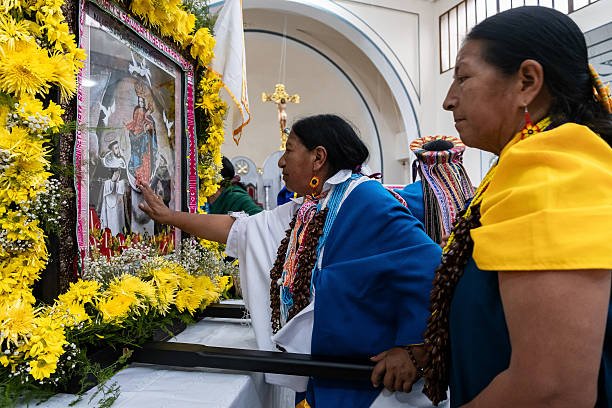
Ceremonies and rituals have long played a meaningful role in communities around the world. They represent more than traditions passed down through generations; they are expressions of identity, spirituality, and connection. Through sacred gatherings and symbolic practices, communities preserve their cultural heritage while creating opportunities for reflection, gratitude, and personal growth.
At Kamentsa Inga Church, ceremonies and rituals are deeply rooted in ancestral wisdom and respect for nature. These traditions continue to guide individuals seeking a greater understanding of themselves and their relationship with the world around them. By honoring ancient practices, the church helps preserve a rich cultural legacy while providing a space where spirituality and community come together.
Understanding the Importance of Ceremonies and Rituals
Throughout history, ceremonies and rituals have served as powerful ways to celebrate milestones, mark transitions, and strengthen community bonds. Whether practiced within indigenous traditions or modern spiritual settings, rituals provide meaning and structure to human experiences.
These sacred practices often include prayers, songs, symbolic offerings, and moments of reflection. They encourage participants to step away from the distractions of daily life and focus on gratitude, healing, and personal transformation.
At Kamentsa Inga Church, ceremonies are approached with reverence and authenticity. Each gathering reflects centuries of inherited knowledge and the values of harmony, respect, and spiritual awareness.
The Cultural Heritage Behind Sacred Rituals
Indigenous traditions have always recognized the interconnectedness between people, nature, and the spiritual world. For generations, ceremonial practices have helped maintain balance and strengthen relationships within communities.
The traditions honored by Kamentsa Inga Church are inspired by ancestral teachings that emphasize:
- Respect for Mother Earth.
- Gratitude for life and creation.
- Spiritual growth and self-awareness.
- Unity and collective well-being.
- Preservation of cultural identity.
These principles remain at the heart of the church’s ceremonies and rituals, ensuring that ancient wisdom continues to be shared with future generations.
Spiritual Significance of Ceremonial Practices
Many people participate in spiritual ceremonies to seek clarity, inner peace, and a deeper connection with life. Rituals create intentional spaces where individuals can reflect on their experiences and reconnect with their values.
Ceremonial gatherings often promote:
Personal Reflection
Sacred rituals encourage mindfulness and self-examination. Participants may use these moments to cultivate gratitude, set intentions, or embrace positive changes in their lives.
Community Connection
One of the most valuable aspects of ceremonies and rituals is their ability to bring people together. Shared experiences foster understanding, compassion, and mutual support.
Honoring Tradition
Preserving traditional practices ensures that cultural knowledge is not lost. Communities that maintain their rituals contribute to the continuity of their heritage and identity.
Emotional and Spiritual Renewal
Many ceremonies are designed to provide opportunities for healing, forgiveness, and renewal. They help individuals reconnect with themselves and strengthen their spiritual foundations.
The Role of Music and Prayer in Ceremonies
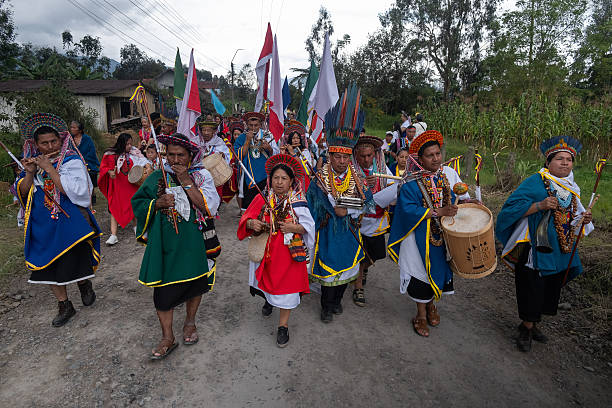
Music and prayer are essential elements in many sacred traditions. Songs, chants, and spoken blessings create an atmosphere that encourages focus and reflection.
At Kamentsa Inga Church, these practices are respected as important expressions of spirituality and cultural heritage. Traditional melodies and prayers serve as reminders of ancestral teachings and reinforce the values shared within the community.
Music also helps create a sense of unity, allowing participants to experience a collective journey rooted in gratitude and respect.
Symbolism in Sacred Rituals
Symbols are powerful components of ceremonies and rituals. They often represent values, beliefs, and connections that transcend words.
Common symbolic elements may include:
Natural Elements
Earth, water, fire, and air are frequently recognized as representations of balance and life. These elements remind participants of humanity’s connection to nature.
Offerings of Gratitude
Offerings symbolize appreciation and respect. They reflect the importance of giving thanks for the blessings and experiences that sustain life.
Sacred Spaces
Creating a dedicated ceremonial environment allows participants to step into a setting that encourages mindfulness and spiritual awareness.
By incorporating symbolic practices, Kamentsa Inga Church helps maintain the integrity and authenticity of ancestral traditions.
Preserving Indigenous Knowledge Through Rituals
Traditional ceremonies are valuable sources of cultural knowledge. They preserve stories, customs, and teachings that might otherwise disappear over time.
The transmission of wisdom from one generation to another ensures that communities maintain a strong sense of identity. Elders and spiritual leaders play a significant role in sharing these teachings, helping younger generations understand the importance of respect, responsibility, and harmony.
Kamentsa Inga Church remains committed to protecting these traditions and promoting awareness of indigenous cultural heritage.
Ceremonies and Rituals as a Path to Community Building
Beyond their spiritual significance, ceremonies contribute to stronger communities. They encourage cooperation, compassion, and collective responsibility.
Community-based rituals help individuals:
- Build meaningful relationships.
- Strengthen family and social bonds.
- Celebrate shared values and traditions.
- Promote understanding and mutual respect.
- Foster a sense of belonging.
In a rapidly changing world, these practices continue to provide stability and connection, reminding people of the importance of community and cultural continuity.
Respecting Sacred Traditions
Authenticity and respect are essential when participating in or learning about spiritual ceremonies. Indigenous traditions carry deep historical and cultural significance, and preserving them requires thoughtful understanding.
Kamentsa Inga Church approaches its ceremonies with reverence, ensuring that ancestral teachings are honored and protected. This commitment helps maintain the integrity of traditions while promoting cultural appreciation and spiritual awareness.
Respect for sacred practices also includes recognizing the wisdom of indigenous communities and supporting efforts to preserve their heritage for future generations.
The Continuing Relevance of Ceremonies and Rituals
Despite the changes brought by modern life, ceremonies and rituals remain deeply meaningful. They provide opportunities to slow down, reconnect with important values, and celebrate life’s journey.
People from diverse backgrounds continue to seek experiences that offer purpose, connection, and spiritual insight. Traditional ceremonies answer this need by creating spaces where reflection and community are valued.
Kamentsa Inga Church demonstrates how ancestral wisdom can continue to inspire contemporary life while preserving cultural traditions that have endured for generations.
Conclusion
Ceremonies and rituals are timeless expressions of spirituality, culture, and community. They preserve ancestral wisdom, strengthen relationships, and provide meaningful opportunities for personal reflection and growth.
Through its dedication to honoring sacred traditions, Kamentsa Inga Church plays an important role in safeguarding indigenous heritage and sharing the values of respect, gratitude, and harmony. By preserving these practices, the church ensures that the wisdom of past generations continues to inspire and guide those seeking a deeper connection with themselves, their communities, and the natural world.
