

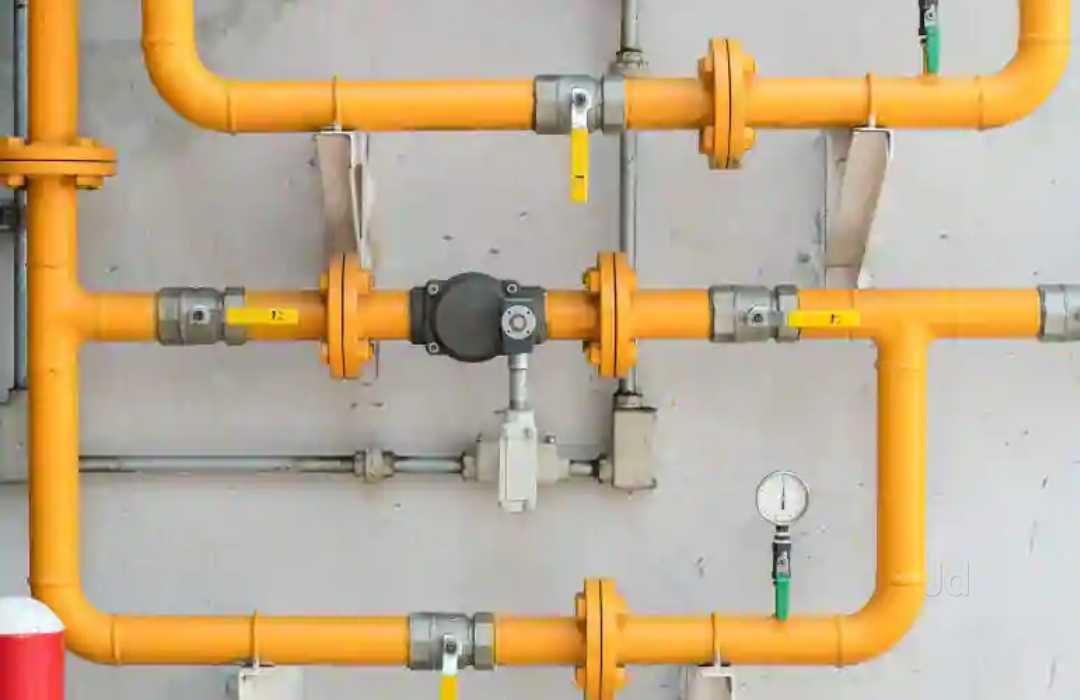
Natural gas is a dependable energy source for homes and businesses, but every gas line must be installed and maintained with precision. Whether you are adding a new appliance, remodeling your property, or replacing aging gas lines, professional installation plays a critical role in long-term safety and efficiency. Understanding how gas piping systems work helps you make informed decisions while protecting your property in Wisconsin Dells.
Many property owners overlook their gas piping system until a problem appears. However, routine inspections and professional installations reduce the risk of leaks, poor appliance performance, and costly emergency repairs. Choosing a gas piping contractor in Wisconsin Dells ensures your gas lines are installed according to current codes while supporting reliable operation for years to come.
Why Professional Gas Piping Installation Matters
Gas piping is not a standard plumbing project. Every connection, fitting, and pressure test must meet safety requirements to ensure dependable performance.
Professional installation helps you:
- Reduce the risk of gas leaks
- Improve appliance efficiency
- Meet local building requirements
- Extend the lifespan of gas piping systems
- Minimize future repair expenses
Whether your project involves residential or commercial construction, properly designed gas piping delivers consistent fuel flow and dependable operation.
Common Signs Your Gas Piping Needs Attention
Gas piping systems often show warning signs before a major issue develops. Recognizing these symptoms early can prevent larger problems.
Watch for:
- A sulfur or rotten egg smell near appliances
- Hissing sounds around gas lines
- Higher-than-normal gas bills
- Appliances that struggle to ignite
- Visible corrosion or damaged piping
- Unexplained dead vegetation near underground gas lines
If you notice any of these issues, avoid attempting repairs yourself. Professional evaluation helps identify the source of the problem safely.
Choosing the Right Gas Piping Contractor in Wisconsin Dells
Not every contractor has the experience required for gas piping projects. Selecting a qualified professional provides peace of mind throughout installation or repair.
Look for a contractor who offers:
Experience With Residential and Commercial Projects
Different properties require different gas piping designs. Experienced contractors understand the requirements for homes, restaurants, offices, and other commercial facilities.
Knowledge of Safety Standards
Gas piping installations must comply with building codes and safety regulations. Proper pressure testing, leak detection, and inspection procedures help ensure safe operation.
Clear Project Planning
Reliable contractors explain the installation process, expected timeline, material options, and maintenance recommendations before work begins.
Benefits of Upgrading Older Gas Lines
Older gas piping may become less reliable due to corrosion, outdated materials, or years of wear. Replacing aging lines offers several advantages.
Some important benefits include:
- Improved energy efficiency
- Better appliance performance
- Increased property value
- Reduced maintenance costs
- Enhanced household and workplace safety
Modern piping materials also provide greater durability and longer service life.
Gas Piping Maintenance Tips
Routine maintenance helps prevent unexpected problems while extending system performance.
Follow these practical tips:
- Schedule periodic professional inspections.
- Never ignore unusual gas odors.
- Keep gas appliances properly maintained.
- Avoid digging near underground gas lines without proper planning.
- Replace damaged connectors or aging components when recommended.
Preventive maintenance is often far less expensive than emergency repairs.
Conclusion
Safe and efficient gas piping starts with proper planning, quality materials, and expert installation. Whether you are installing a new gas appliance, expanding an existing system, or replacing outdated piping, working with a gas piping contractor in WisconsinDells helps ensure reliable performance and long-term safety. Regular inspections, timely repairs, and preventive maintenance also protect your investment while keeping your home or business operating efficiently for years to come.
