

A reliable septic system is one of the most important investments for homes and properties in Iowa that are not connected to a municipal sewer line. A properly designed and installed system safely manages wastewater, protects groundwater, and supports the long-term value of your property. Whether you are building a new home or replacing an aging system, understanding the installation process helps you make informed decisions and avoid expensive repairs later. Choosing the right materials, planning for local soil conditions, and following local regulations all contribute to a dependable septic system that performs efficiently for years.
Many property owners underestimate the planning required before installation begins. Site evaluations, soil testing, and permit approvals are all essential steps that influence the system’s design and performance. During this planning stage, professional septic system installation services ensure every component is selected and installed according to property requirements. Skipping these steps or relying on improper installation methods can lead to drainage issues, groundwater contamination, and costly replacements that could have been prevented.
Why Professional Installation Matters
Installing a septic system involves much more than placing a tank underground. Every property has unique characteristics that affect system performance.
Professional installation provides benefits such as:
i. Proper site evaluation and soil analysis
ii. Correct tank sizing based on household usage
iii. Accurate drain field placement
iv. Compliance with Iowa regulations
v. Long-term system reliability
When every stage is completed correctly, the entire wastewater treatment process functions efficiently while minimizing future maintenance concerns.
Key Steps in the Installation Process
Property Evaluation
The first step is evaluating the property to determine suitable locations for the septic tank and drain field. Soil conditions, water tables, slopes, and available space all influence the final design.
System Design
The system is designed according to household size, expected wastewater volume, and local environmental requirements. Proper planning prevents future performance issues.
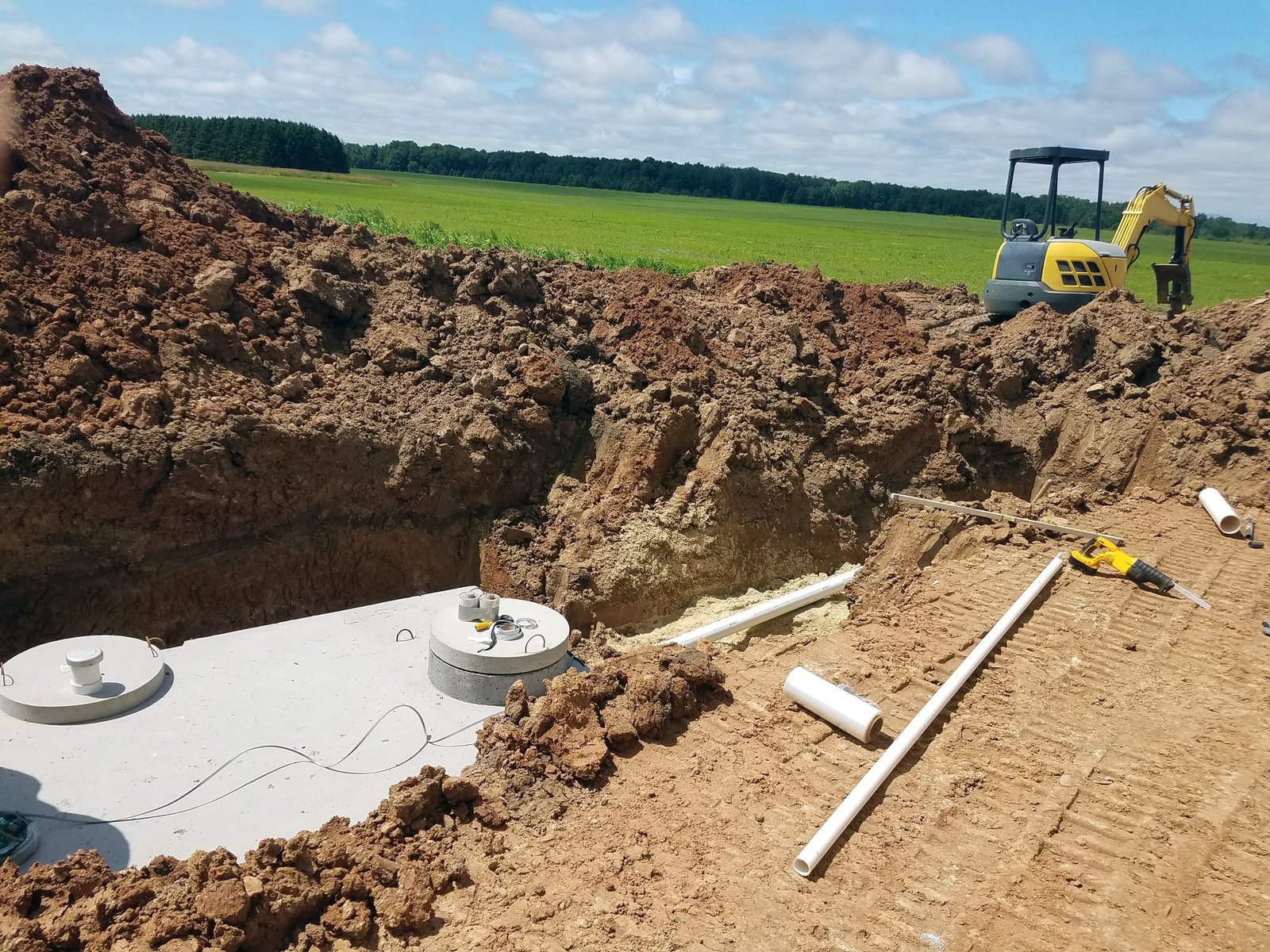
Excavation and Installation
Excavation prepares the site for the septic tank and drainage components. Careful grading and placement ensure wastewater flows correctly throughout the system.
Final Inspection
Before the system becomes operational, inspections confirm that installation meets local building and environmental standards.
Signs You May Need a New Septic System
If your current system shows signs of failure, replacement may be necessary instead of repeated repairs.
Common warning signs include:
i. Slow-draining sinks and tubs
ii. Standing water near the drain field
iii. Persistent sewage odors outdoors
iv. Frequent plumbing backups
v. Unusually green grass over the drain field
vi. Aging systems that no longer meet current requirements
Addressing these warning signs early helps prevent larger environmental and structural problems.
Maintenance Tips After Installation
Even the highest-quality installation requires ongoing maintenance to maximize its lifespan.
You can extend system performance by:
i. Scheduling routine inspections
ii. Pumping the septic tank at recommended intervals
iii. Conserving household water usage
iv. Avoiding grease, chemicals, and non-flushable products
v. Protecting the drain field from heavy vehicles and construction equipment
vi. Managing landscaping around the system carefully
Simple maintenance habits help reduce repair costs while keeping your wastewater system operating efficiently.
Choosing the Right Installation Partner
Selecting experienced professionals is just as important as selecting quality equipment. Look for contractors who understand Iowa soil conditions, obtain necessary permits, use durable materials, and follow established installation procedures. Clear communication throughout the project also helps ensure expectations are met from planning through final inspection.
Ask questions about system design, maintenance recommendations, expected timelines, and future service requirements before work begins. An informed decision today can prevent significant expenses tomorrow.
Conclusion
Investing in septic system installation services provides long-term protection for your home, property, and environment. Proper planning, accurate installation, and routine maintenance work together to create a dependable wastewater system that serves your household for decades. Whether you’re constructing a new home or replacing an outdated system in Iowa, understanding each step of the process helps you make confident decisions and enjoy reliable performance for years to come.
