

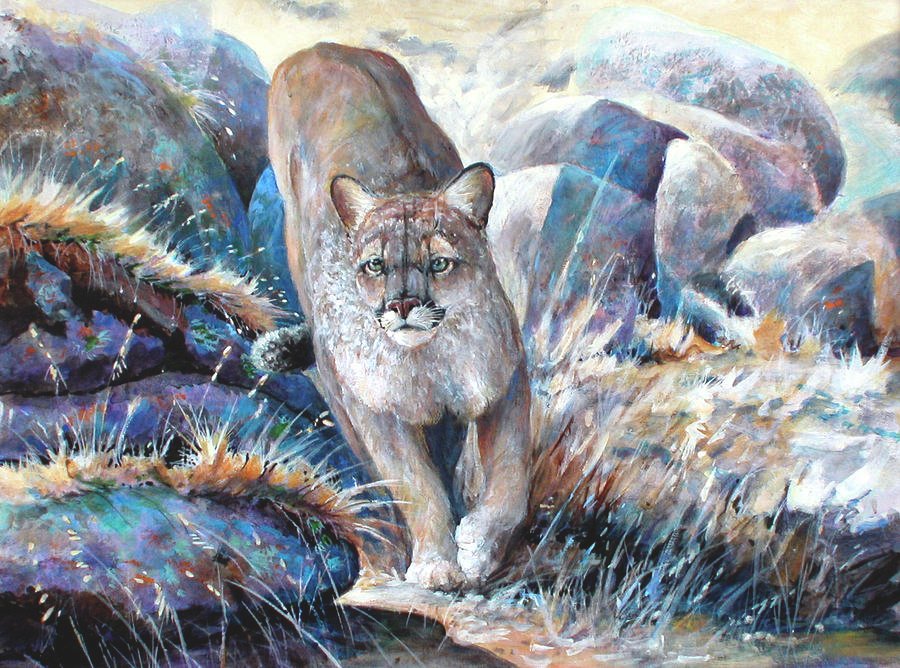
A wildlife portrait is never just a copy of a photograph. It is a careful interpretation of life, movement, and character. While a camera captures a single moment, a skilled wildlife artist studies far beyond that frame to reveal the spirit of the animal.
When you invest in animal portraits from photos, you are often looking for more than accuracy. You want a connection. You want a piece that feels alive. That difference is where professional wildlife art stands apart from simple reproductions.
Why a Photograph Is Only the Beginning
A photograph offers valuable reference material, yet it rarely tells the complete story. Light can flatten details. Shadows may hide important features. Colors often shift from what the eye sees in nature.
A professional wildlife artist, uses photographs as one part of the creative process. Field observation, sketching, and studying animals in their natural habitats help me understand how they move, behave, and interact with their ecosystems.
This deeper knowledge allows a painting to communicate far more than a camera can record. Every brushstroke becomes part of a larger narrative rooted in observation and experience.
How Personality Emerges on the Canvas
One of the most important goals in wildlife portraiture is capturing personality. A mature bull elk carries a different presence than a curious fox. A great horned owl conveys a different mood than a playful river otter.
Professional artists pay close attention to subtle details. The direction of a gaze, the tilt of an ear, and the tension within a posture all influence how you connect with the subject.
These small choices create emotional depth. Rather than viewing an image, you begin to feel as though you are meeting the animal itself.
The Importance of Accurate Anatomy
Wildlife collectors often recognize when something feels slightly wrong in a painting, even if they cannot immediately identify the issue.
That reaction usually relates to anatomy. Professional wildlife artists spend years studying skeletal structure, muscle placement, movement patterns, and species-specific features.
When anatomy is understood correctly, the animal appears natural and believable. Every stance feels balanced. Every movement feels authentic. This level of accuracy builds trust and elevates the artwork beyond a simple visual representation.
Bringing Texture to Life Through Technique
Texture plays a major role in realistic wildlife art. Soft fur, weathered antlers, glossy feathers, rough bark, and flowing grasses all require different artistic approaches.
Professional painters layer color, vary brushwork, and control paint consistency to recreate these surfaces. Acrylics, oils, watercolors, and intaglio techniques each offer unique possibilities for expressing texture.
As you view the finished piece, these details invite you closer. The artwork gains richness, dimension, and visual interest that extends beyond the original photograph.
Why Lighting Changes Everything
Lighting shapes mood. It directs attention. It creates drama and atmosphere.
A professional wildlife artist studies how natural light behaves throughout the day. The warm glow of sunrise differs greatly from the cool shadows of evening forests. Reflected light from snowfields creates effects that cannot always be captured fully in a photograph.
By carefully adjusting lighting within a composition, an artist guides your eye and strengthens the emotional impact of the painting.
The Art of Capturing Expression
Wildlife expression is often subtle. Unlike human portraiture, animals communicate through small changes in posture and focus.
A slight narrowing of the eyes may suggest alertness. A relaxed body position can create a sense of calm. These visual cues help tell a story without words.
When creating animal portraits from photos, a professional artist interprets these details carefully. The result feels natural rather than staged, allowing the viewer to form a genuine connection with the subject.
What Separates Professional Wildlife Art from Amateur Reproductions?
The difference extends far beyond technical skill. Amateur reproductions often focus on copying visible details exactly as they appear in a photograph.
Professional wildlife art goes deeper. It combines field research, artistic judgment, ecological knowledge, and years of practice. Every decision serves a purpose, from composition and color harmony to atmosphere and storytelling.
This approach creates artwork that resonates emotionally while maintaining scientific credibility. It also reflects a stronger respect for wildlife and the environments these animals call home.
A Connection to Nature and Conservation
Wildlife art carries an important role beyond decoration. It helps people notice species, habitats, and environmental challenges they may otherwise overlook.
Many collectors are drawn to works that celebrate conservation values. Pieces inspired by wetlands, forests, prairies, and native wildlife encourage meaningful conversations about preservation and stewardship.
For collectors interested in Ohio conservation art paintings, professionally created wildlife artwork offers both visual beauty and a lasting connection to the natural world.
Why Original Wildlife Paintings Hold Lasting Value
Original wildlife paintings represent time, expertise, observation, and artistic vision. They are not mass-produced images. Each work carries the artist’s personal interpretation of nature.
Whether created in acrylics, oils, watercolors, or fine printmaking techniques, original wildlife art offers something increasingly rare in today’s digital world: authenticity.
When you choose a professionally created wildlife portrait, you are bringing home more than an image. You are preserving a story, honoring the animal’s presence, and supporting an artistic tradition rooted in observation, craftsmanship, and respect for the natural world.
